
Advertisement
Behind the Cookbook: Ramadan Express—Memory, Migration and the Modern Ramadan Table
16 February 2026 · Behind the Cookbook
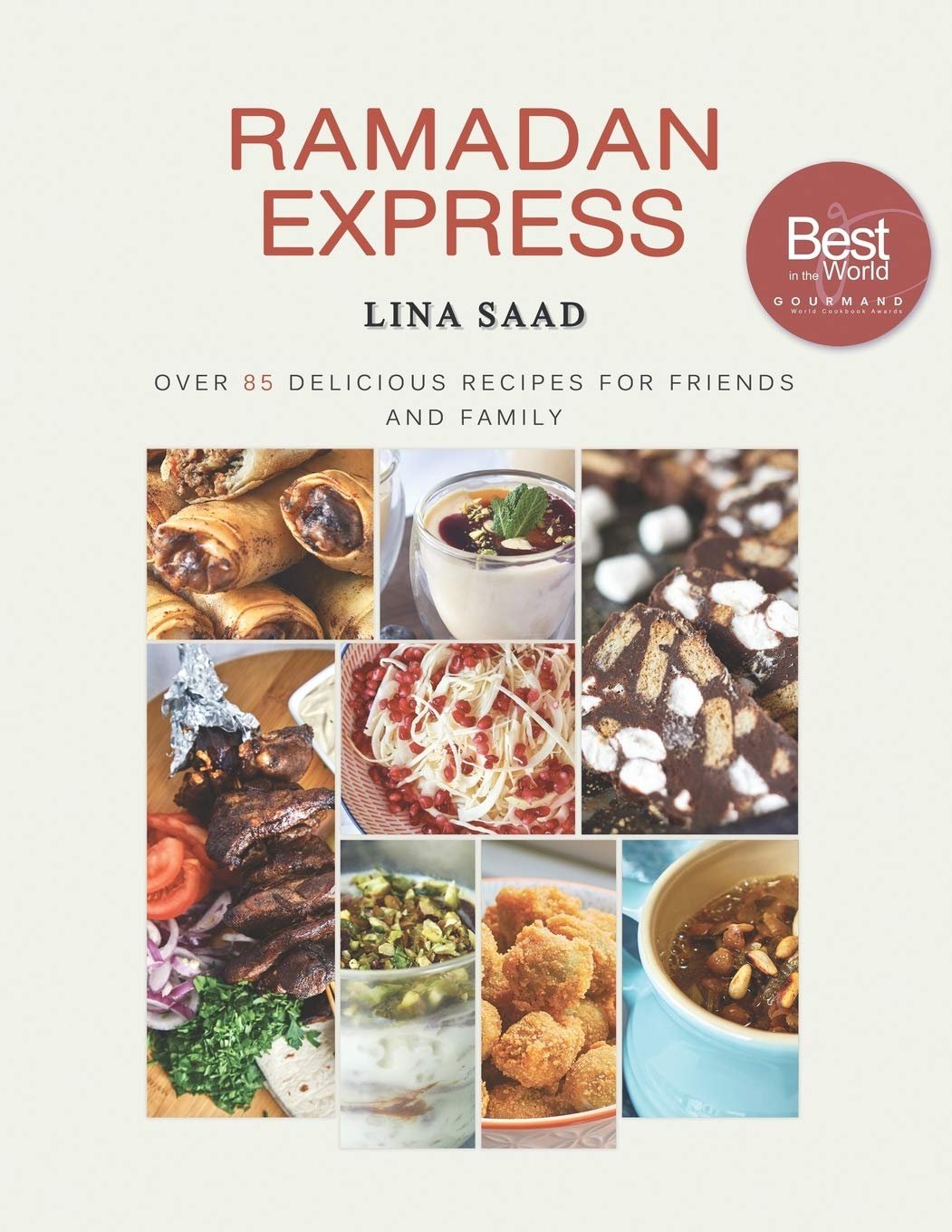
Lebanese cook Lina Saad’s first cookbook, Land of White, which featured the cooking of her homeland, won a World Gourmand Cookbook award. Her second cookbook, Ramadan Express, has just been added to ckbk.
Around the world, starting on Tuesday 17th February, Muslims will observe a fast during daylight hours to mark the holy month of Ramadan. Below, Lina tells of her own personal experience of Ramadan, and how the dishes she brings together in Ramadan Express, eaten either in the evening after the fast breaks, or in the early morning before it begins, are central to the ritual of Ramadan for her family.
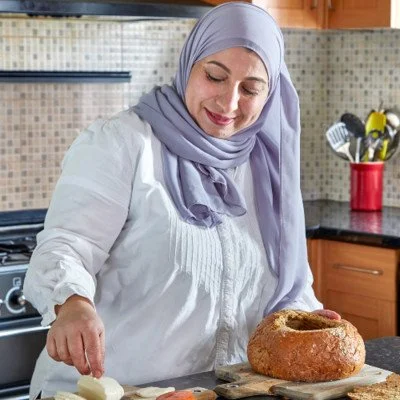
By Lina Saad
Ramadan has never been just a month on the calendar for me. It has always been a feeling, a quiet shift in rhythm, a softening of time, and a gathering of memories that stretch from Beirut to Africa, from childhood kitchens to modern homes in the UK.
When I wrote Ramadan Express in 2017, I was responding to something I felt deeply: despite the growing Muslim communities across the UK, Europe and the United States, there was no contemporary cookbook that truly reflected Ramadan as it is lived in the West. There were books about Middle Eastern cuisine and Islamic traditions, but none that spoke to working professionals, students, young families, or anyone trying to balance fasting with modern life.
I wanted to create a book that was practical, organised and emotionally resonant, a guide to Ramadan that felt authentic yet modern, rooted in heritage yet open to the world.
Some of my earliest Ramadan memories belong to Beirut. As night deepened and the city softened, we would wait for “suhoor; the last meal before dawn. Just before “fajr” (dawn), the sound of the tabbal would echo through the streets: a man walking through neighbourhoods with a drum, waking people gently so they could eat and drink before the dawn’s “aazan” or call to prayers.
That sound was magical. It was not loud or urgent; it was rhythmic and reassuring, a reminder that Ramadan was a collective experience. Doors opened, lights flickered on, kitchens came alive. Food was simple but meaningful; bread, cheese, olives and tea, shared quietly in the stillness before dawn.
Today, Ramadan in the UK feels different, yet connected. There is no “tabbal” in London streets, but there is another rhythm: supermarket aisles filled with dates, lentils, rice and pulses; families planning meals after long workdays; students searching for quick yet nourishing recipes; communities gathering in mosques and homes.
Ramadan Express was my way of bridging these worlds.
The book begins not with recipes, but with preparation. Ramadan requires intention, not only spiritually, but practically. Stocking the pantry with essentials like basmati rice, bulgur, chickpeas, red lentils, tahini, olive oil, spices and dates becomes part of the ritual.
In the UK, I noticed how supermarkets increasingly respond to Ramadan with dedicated sections for these ingredients. I wanted to reflect that reality and help readers build a Ramadan kitchen where everything could be sourced easily, often from under one roof.
This was especially important for busy people, those fasting while working, studying or raising families, who needed structure without losing soul.
In many homes, iftar (the fast-breaking evening meal of Muslims in Ramadan) begins softly. Soup is not just nourishment; it is comfort.
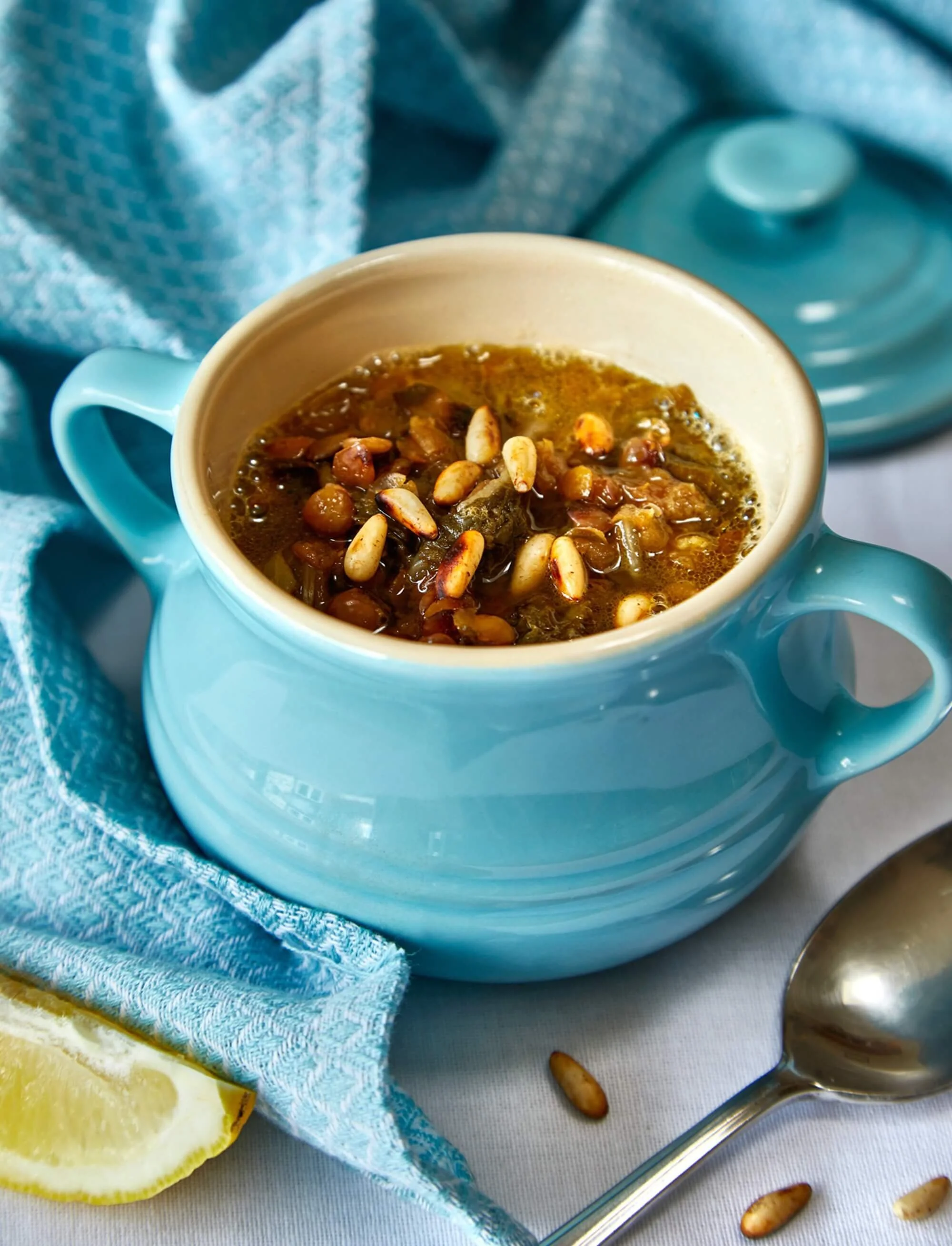
Spinach & Lentil Soup from Ramadan Express
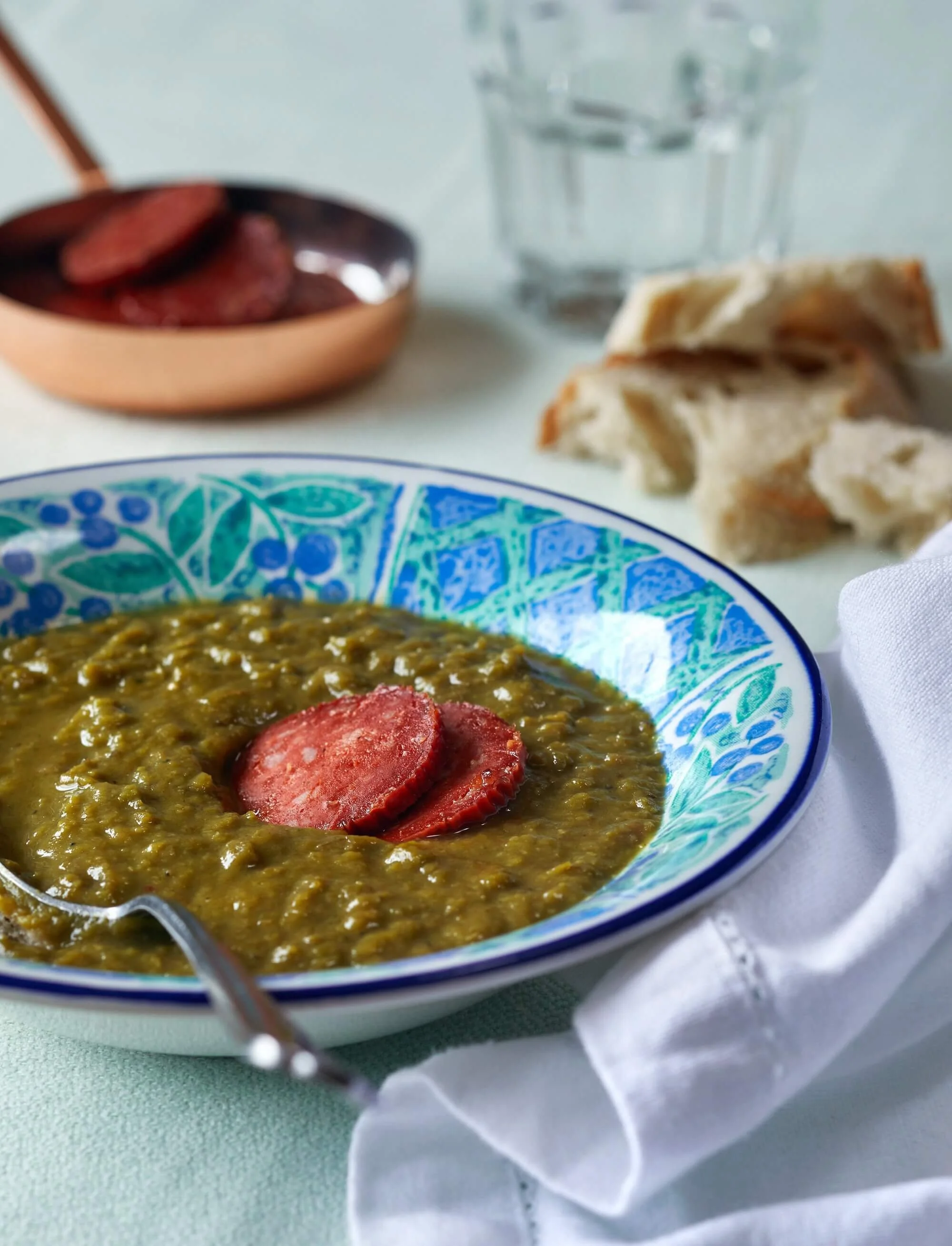
Pea & Sujuk Soup from Ramadan Express
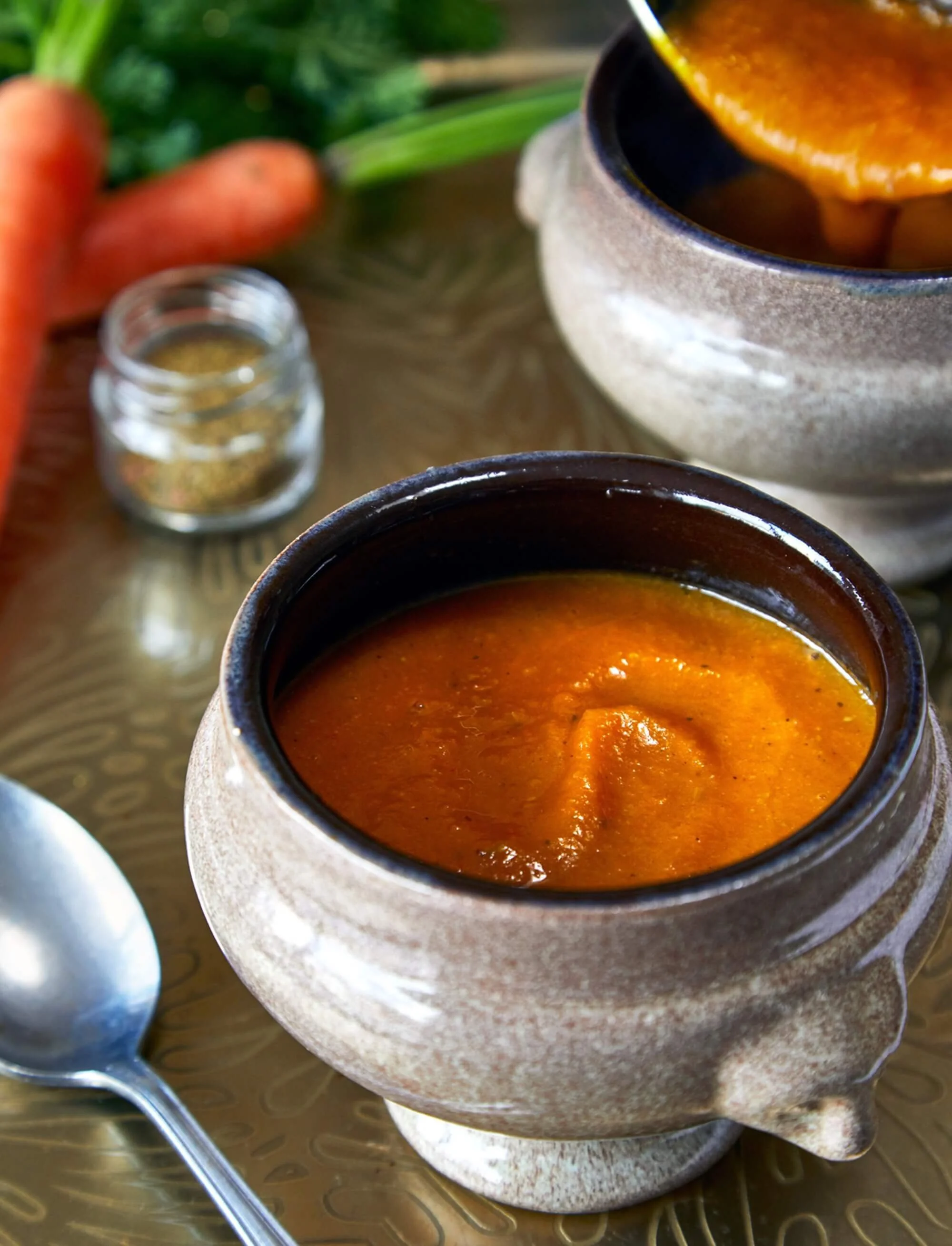
Carrot and Cumin Soup from Ramadan Express
In Ramadan Express, soups form the opening chapter: lentil and spinach soup, carrot soup, courgette soup, and pea and sujuk soup. These recipes reflect a calmer way to break the fast, they provide warmth and calmness to the soul, and a balance with deep satisfaction.
For me, soup symbolises care. It slows the moment of iftar, allowing the body to transition gently from fasting to feasting.
From soups, the book moves into salads, a category designed with contemporary lifestyles in mind.
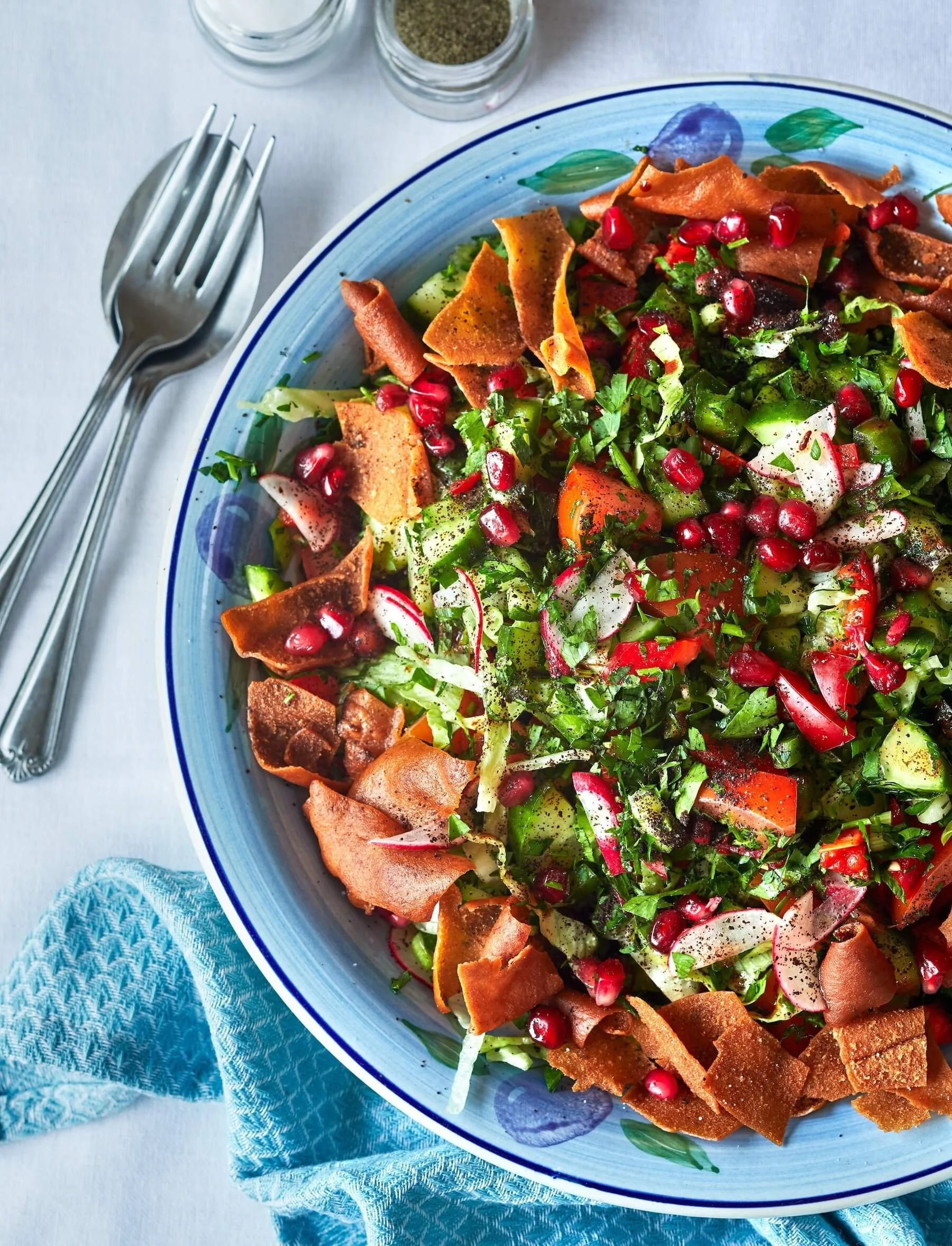
Fatoush from Ramadan Express
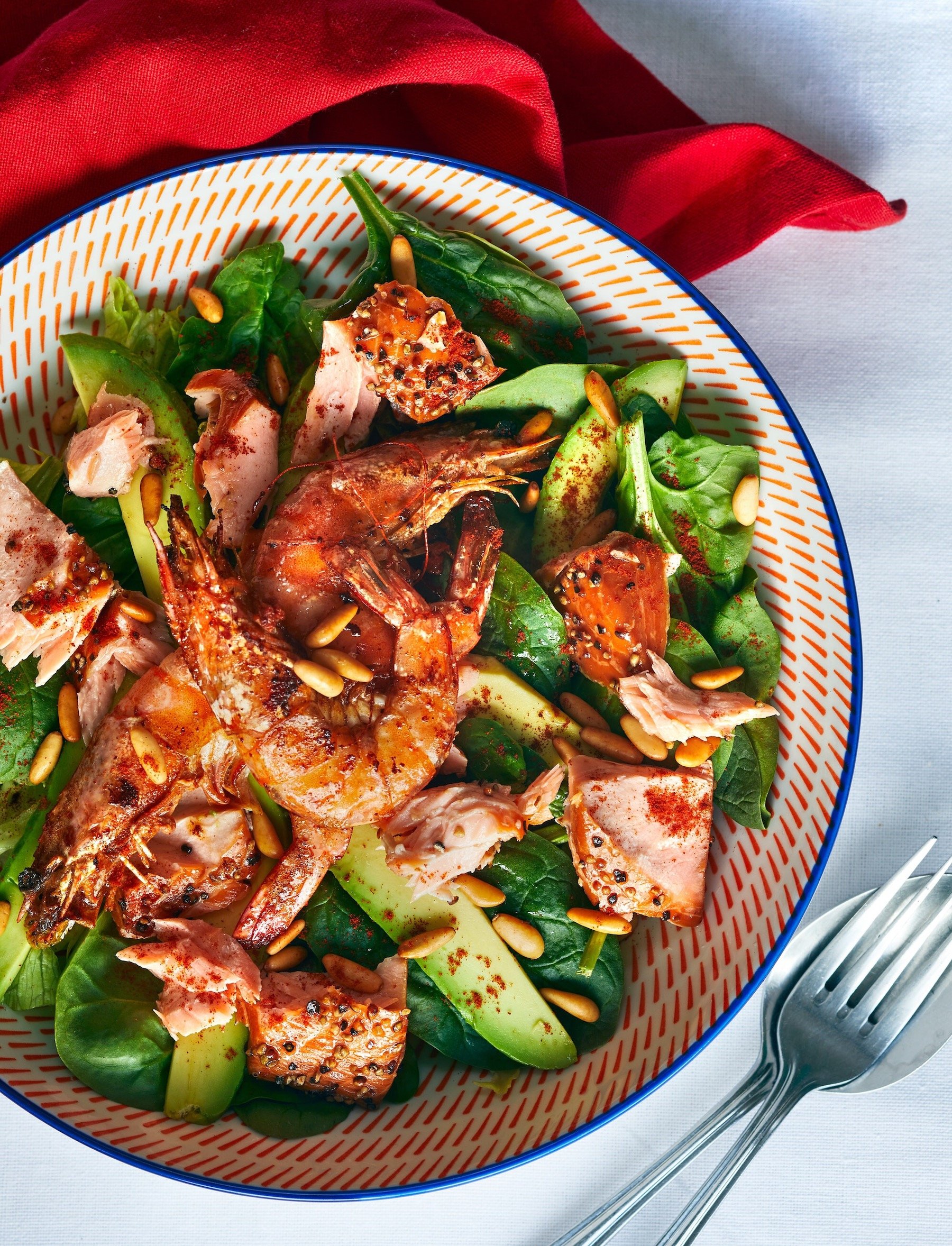
Salmon & Prawn Salad from Ramadan Express
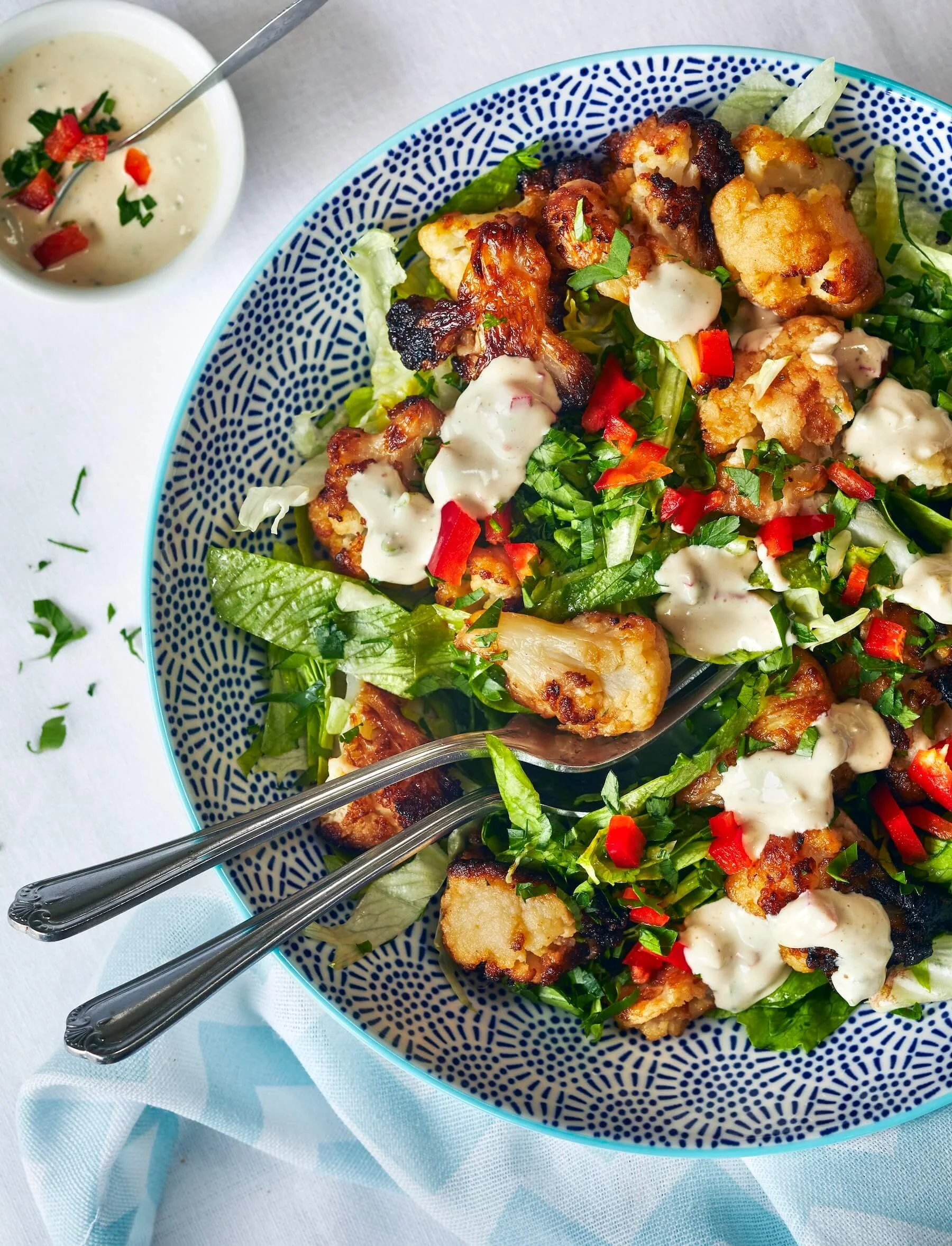
Cauliflower Fatoush from Ramadan Express
Classic dishes like fattoush sit alongside modern, protein-rich plates such as chicken and avocado salad, salmon and prawn salad, and vibrant seasonal combinations. These “one-meal salads” are perfect for solo evenings, students at university, or nights when cooking for a crowd feels impossible.
They reflect how Ramadan has evolved in the West: lighter, more flexible, yet still grounded in flavour and nutrition.
Side dishes bring colour and sociability to the table. In Ramadan Express, recipes such as roasted potatoes with pesto, aubergines with pesto, and aubergine salad with yogurt and pomegranate highlight versatility and ease.
Alongside them sit dishes influenced by my multicultural upbringing: fried prawns pané, fried stuffed olives, and Asian-inspired bites that reflect journeys beyond Lebanon.
These plates are designed to be shared. They are simple yet expressive, inviting hands to reach across the table, reminding us that Ramadan is, above all, communal.
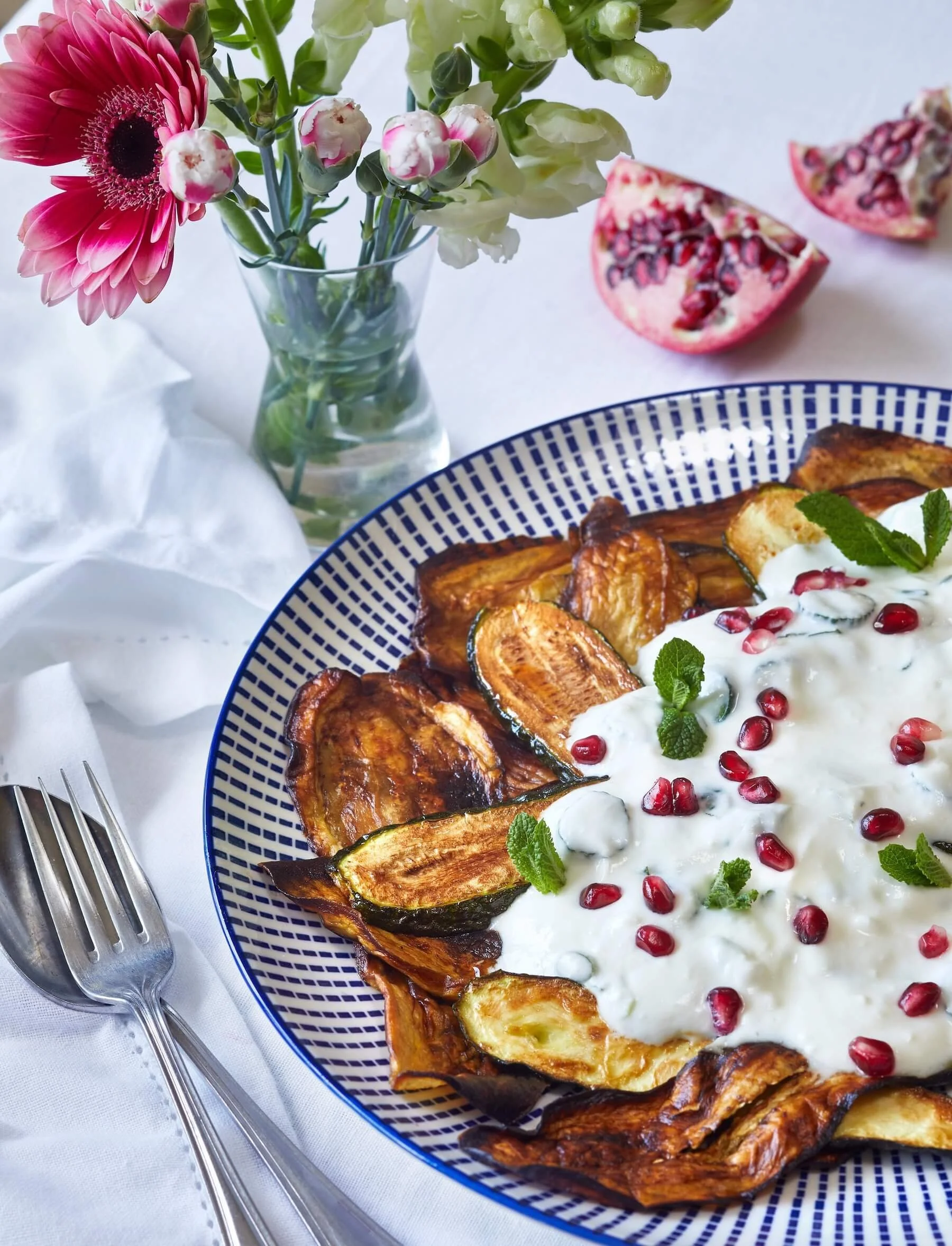
Fried Aubergines & Courgettes with Yoghurt from Ramadan Express
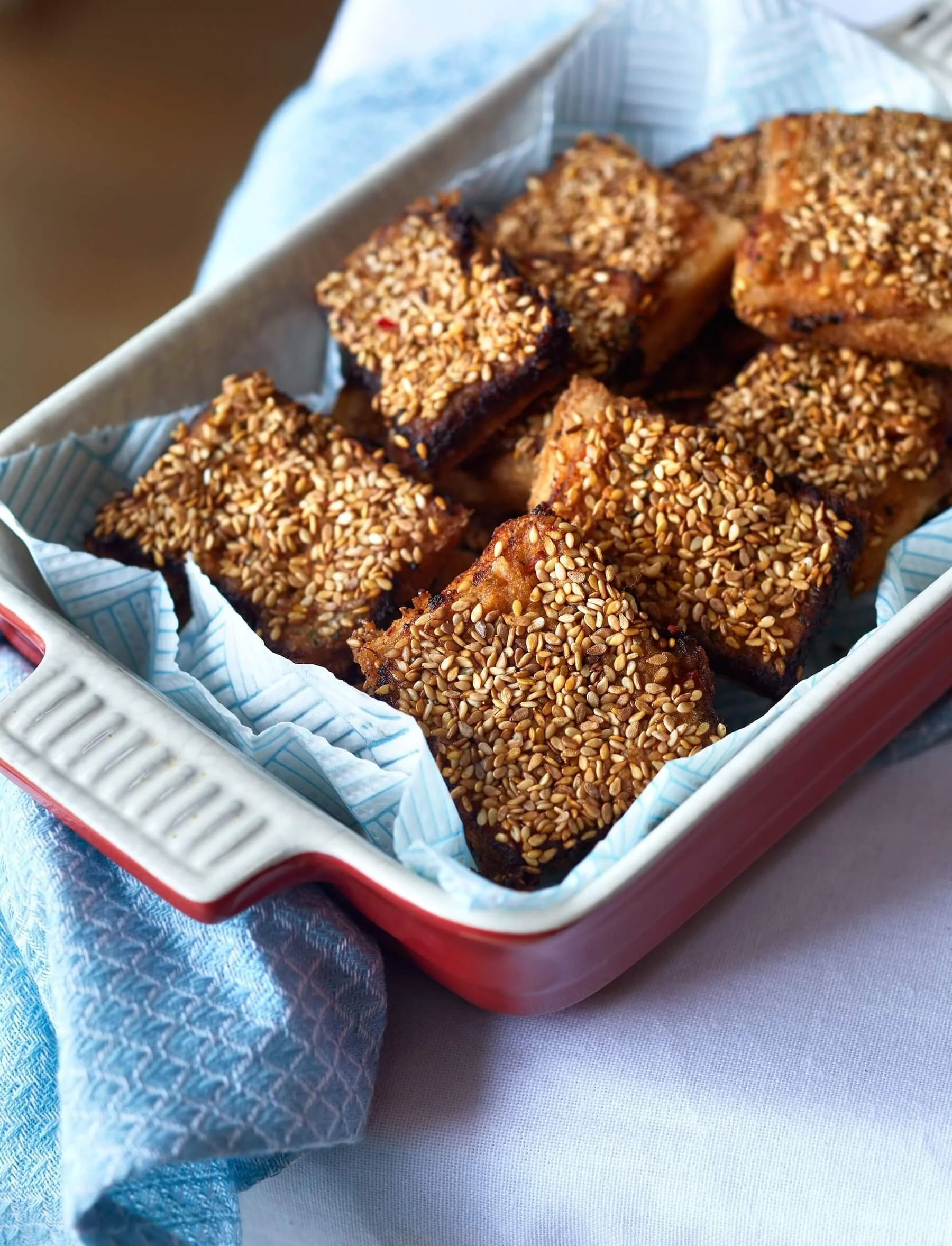
Prawn & Sesame Toast from Ramadan Express
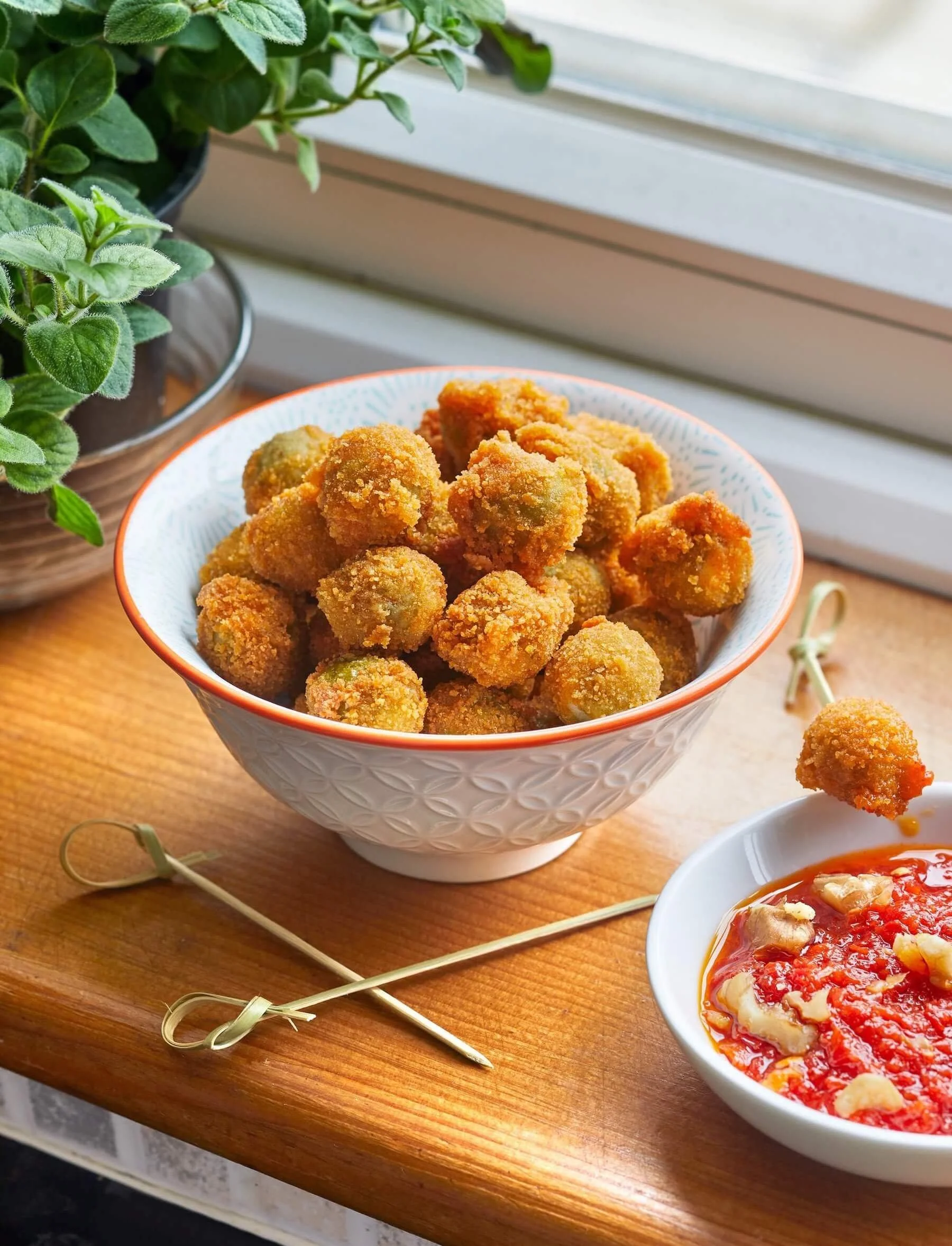
Stuffed Olives Pane from Ramadan Express
There are celebratory rice and chicken dishes, cod fillets with sultanas served with tahini or herbal tarator, a recipe that takes me back to my aunt’s kitchen in Beirut, and comforting stews that gather families around the table.
My mother’s curry also appears in the book, a dish we used to eat in Africa at the Atlantic restaurant. Unlike traditional curries, it is layered with fruits and vegetables, balancing sweetness and spice. It reflects a life lived between cultures, where Lebanese roots meet global influences.
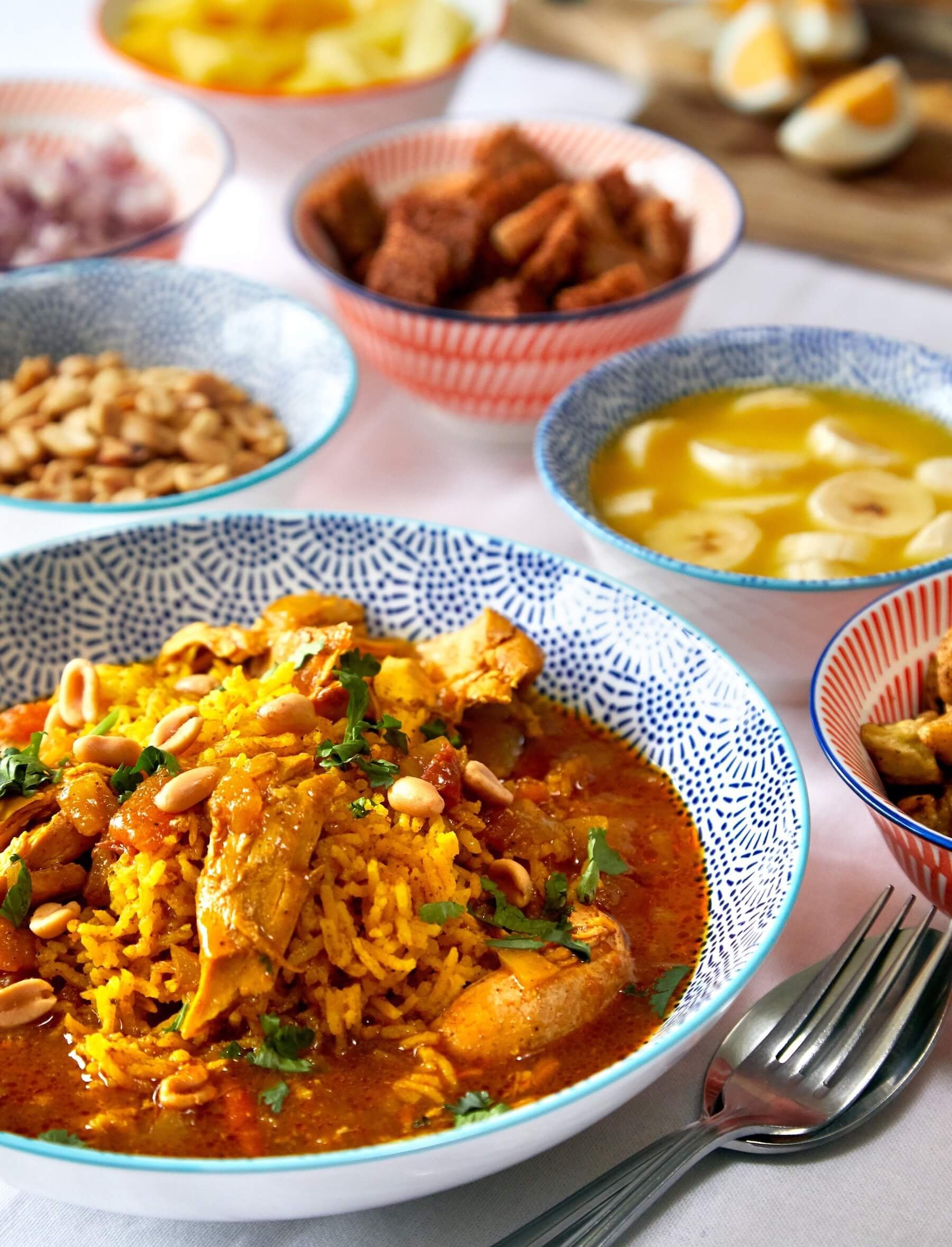
Other recipes reveal African-inspired flavours, such as peanut butter stew and lamb cutlets marinated with peanut butter and chilli, dishes that surprise and delight, yet feel deeply personal.
These main meals are not only about feeding people; they are about telling stories.
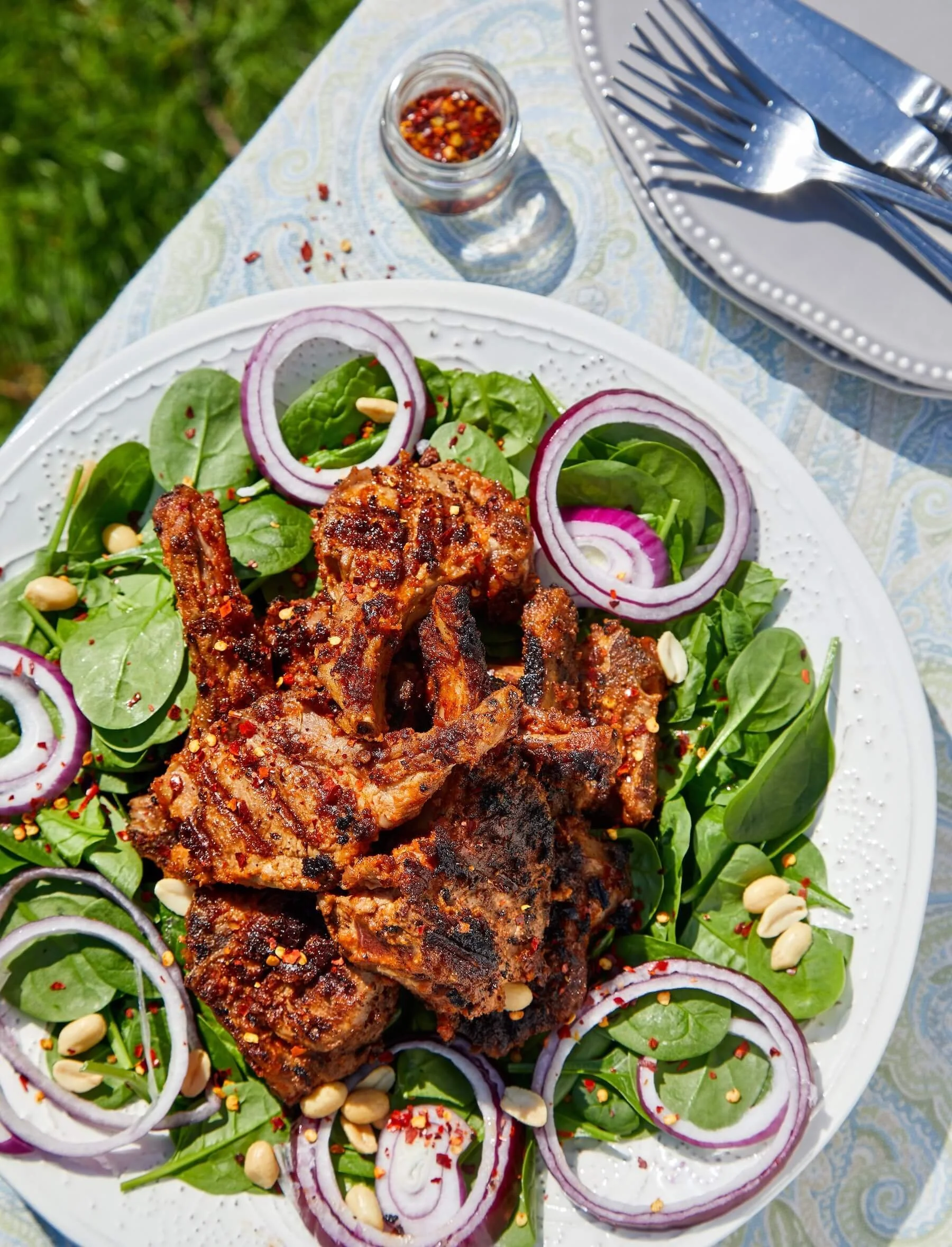
Grilled Lamb Cutlets with Peanut Butter from Ramadan Express
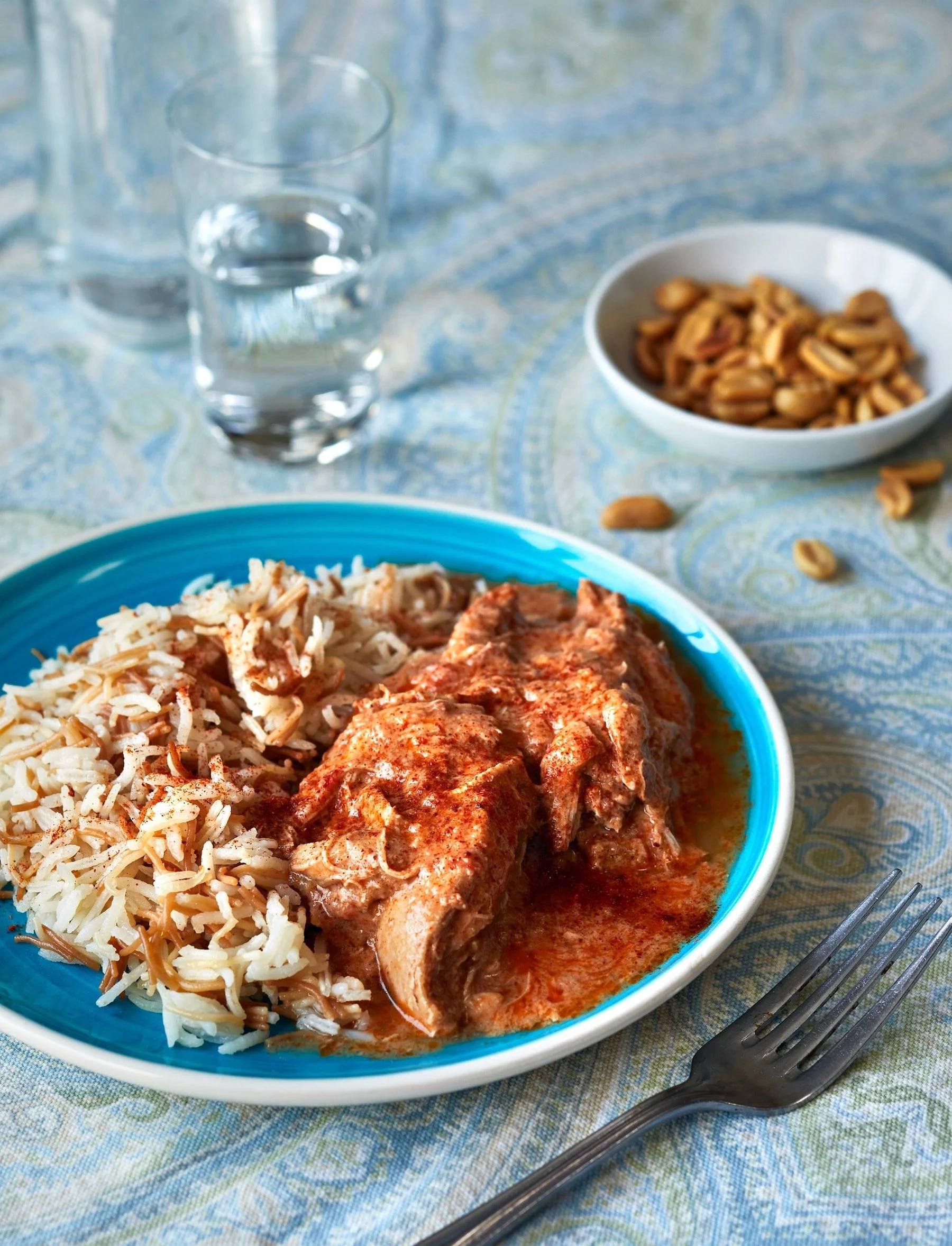
Peanut Butter Stew from Ramadan Express
Desserts in Ramadan Express reflect the house I grew up in, a home where authenticity was cherished, but curiosity was encouraged.
Traditional Lebanese sweets like “katayef” and “awamat” sit alongside international desserts such as fruits of the forest tiramisu, Eton mess, and playful creations like deep-fried banana and chocolate rolls.
There are also delicate, visual desserts: cakes layered with cantaloupe melon and pistachios, peach mousse, and fruit-forward treats that feel light yet celebratory.
This blend mirrors my identity. Ramadan in the West is not static; it is dynamic, shaped by migration, exposure and openness.
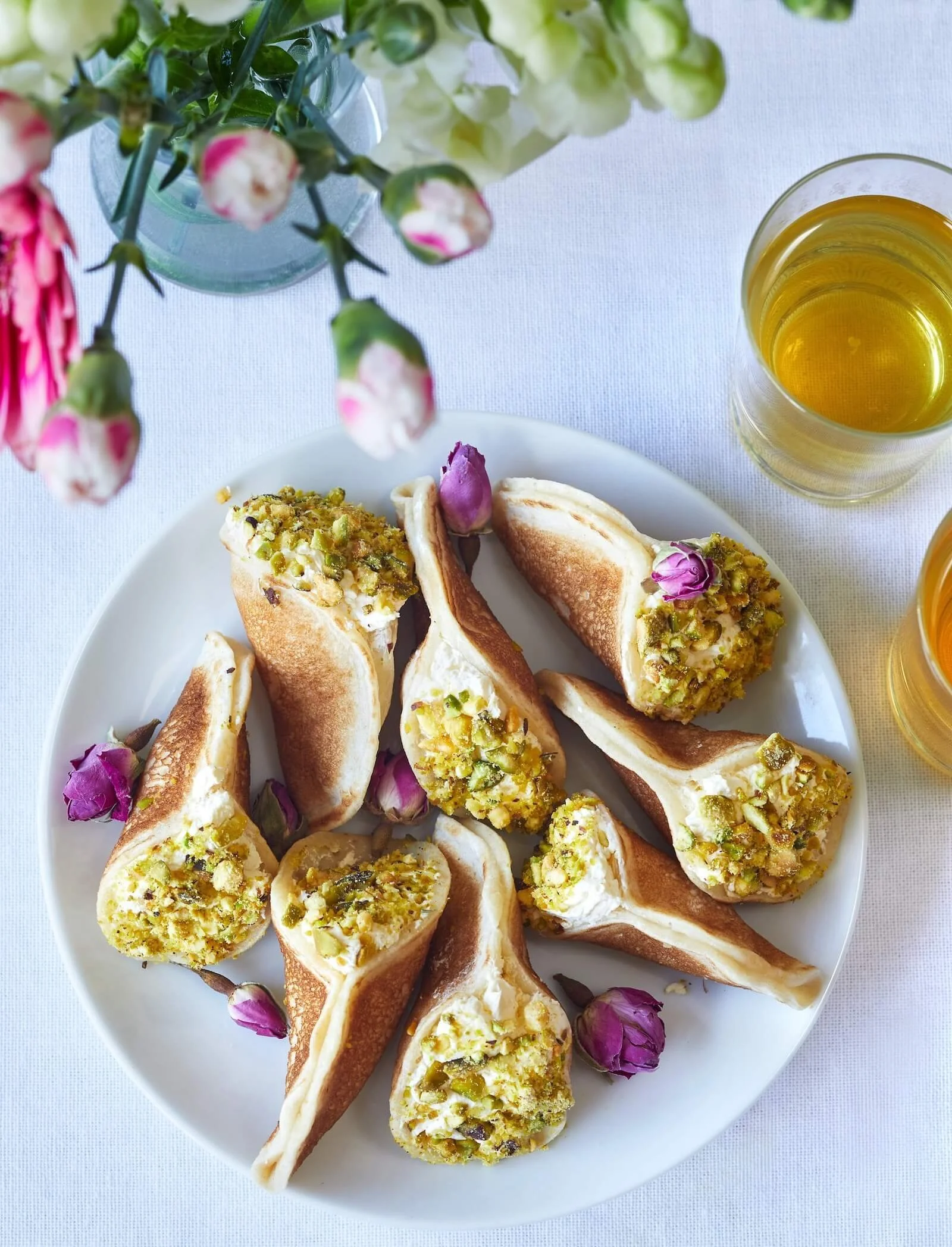
Katayef & Ashta from Ramadan Express

Lukmat El Kadi from Ramadan Express
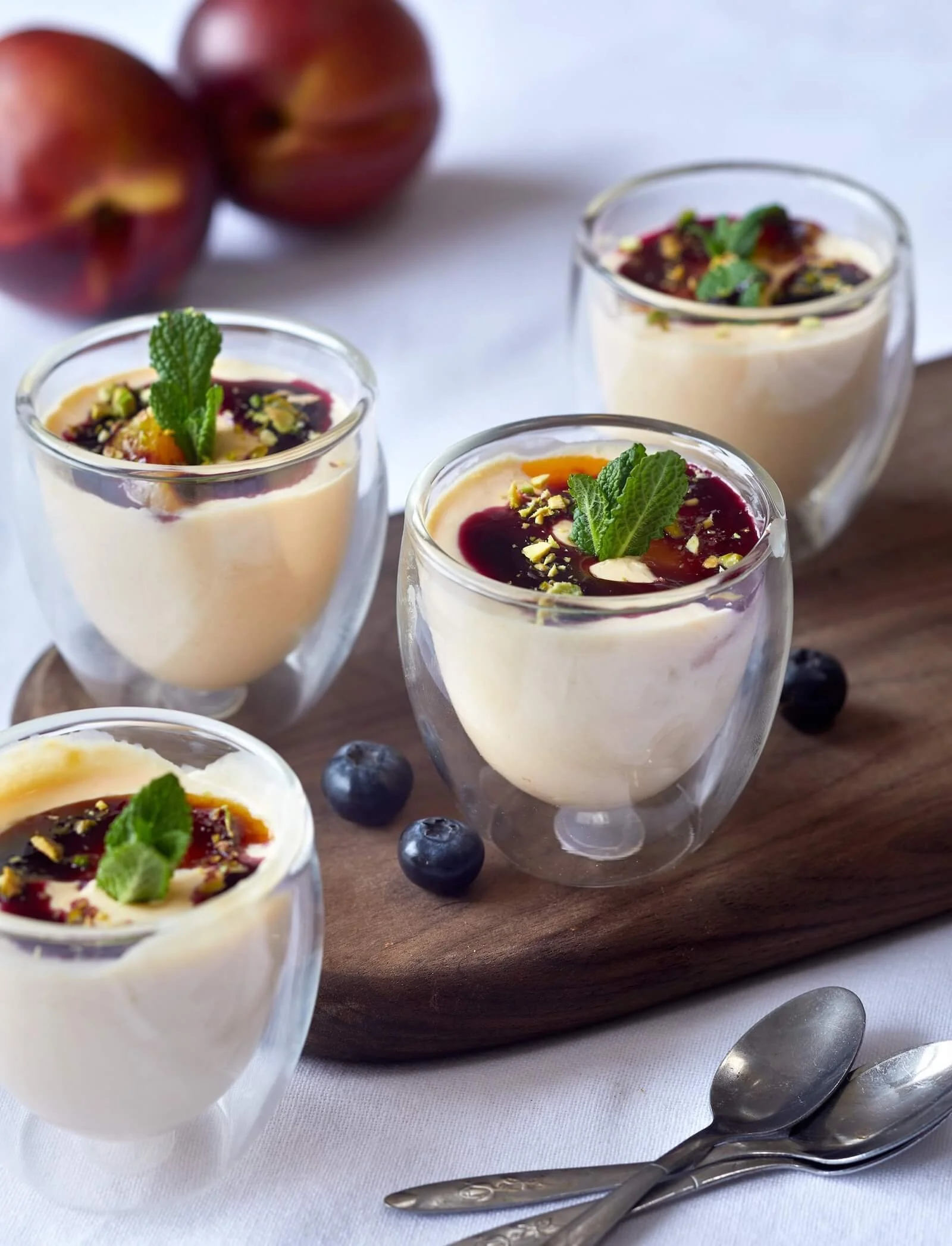
Peach Mousse from Ramadan Express
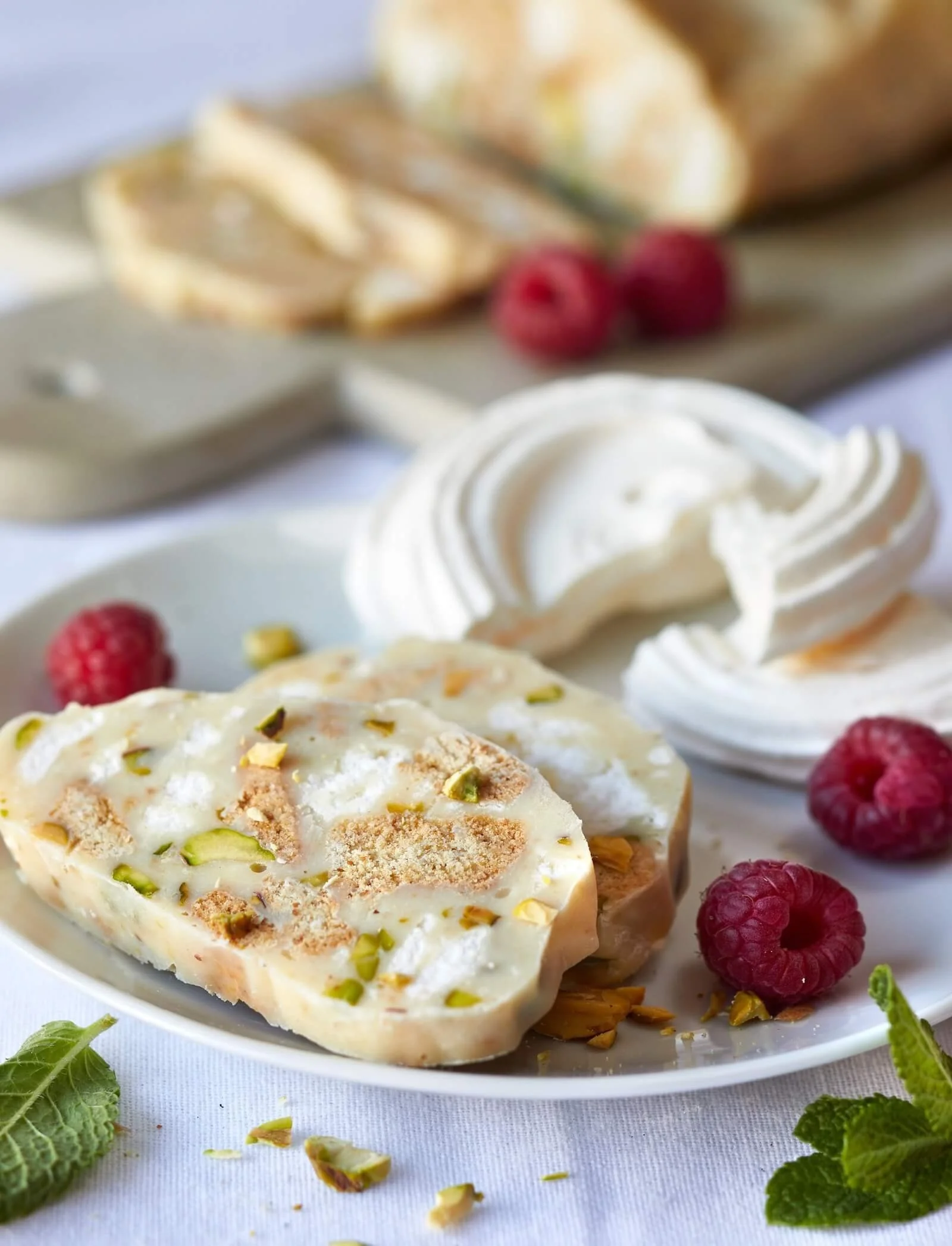
White Chocolate & Meringue Rocky Road from Ramadan Express
Although drinks appear at the end of the book, they are central to the Ramadan experience.
After fasting, the first sip of a drink is transformative. Whether made from dates, fruits or floral notes, drinks restore energy and mark the emotional moment of iftar.
In Ramadan Express, they complete the narrative of the table, from quiet beginnings to joyful endings.
Most popular recipes from Ramadan Express
More from ckbk

Pastry chef Luciana Corrêa provides an overview of her favorite subject…

Dina Begum, author of the Brick Lane Cookbook, on why Bangladeshi cooking wouldn’t be the same without mustard oil
Roberta Muir speaks to the Australian chef and Thai cooking guru about his first cookbook, Classic Thai Cuisine
Advertisement