
Advertisement
Consuming Passions: Mustard Oil
6 February 2026 · Consuming passions
By Dina Begum
Mustard oil is to Bangladeshi food what olive oil is to Italian food. As a person of Bangladeshi origin it is almost unthinkable not to include mustard oil in my cooking repertoire and belongs to the far end of the spectrum of cooking oils—intense and bold in flavour, it has a high smoking point and also features heavily in the region Indian cooking of South India, Punjab, and West Bengal. You’ll also see it in Sri Lankan dishes.
I spent the first four years of my life in rural Bangladesh and some of my earliest memories involve food. The chatter of my mother, grandmother and aunts as they prepped homegrown produce and created delicious meals throughout the day such as as breakfast staples of porota (Bengali parathas), puri—fried flatbreads used to scoop up spiced potatoes (aloo bhaji), and shemai—a sweet, milky vermicelli pudding.
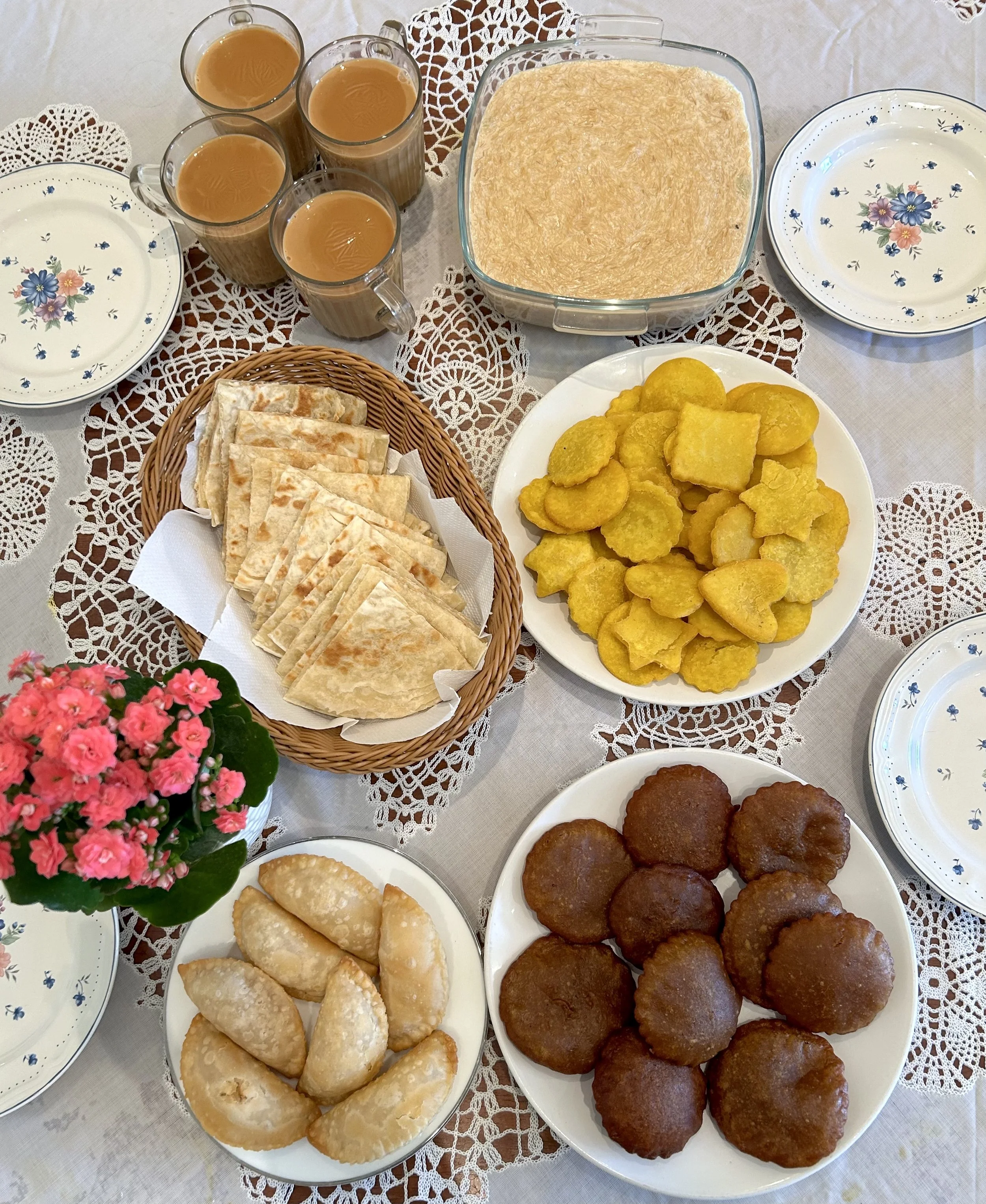
A traditional bangladeshi breakfast featuring porota, puri and shemai (Photo: Dina Begum)
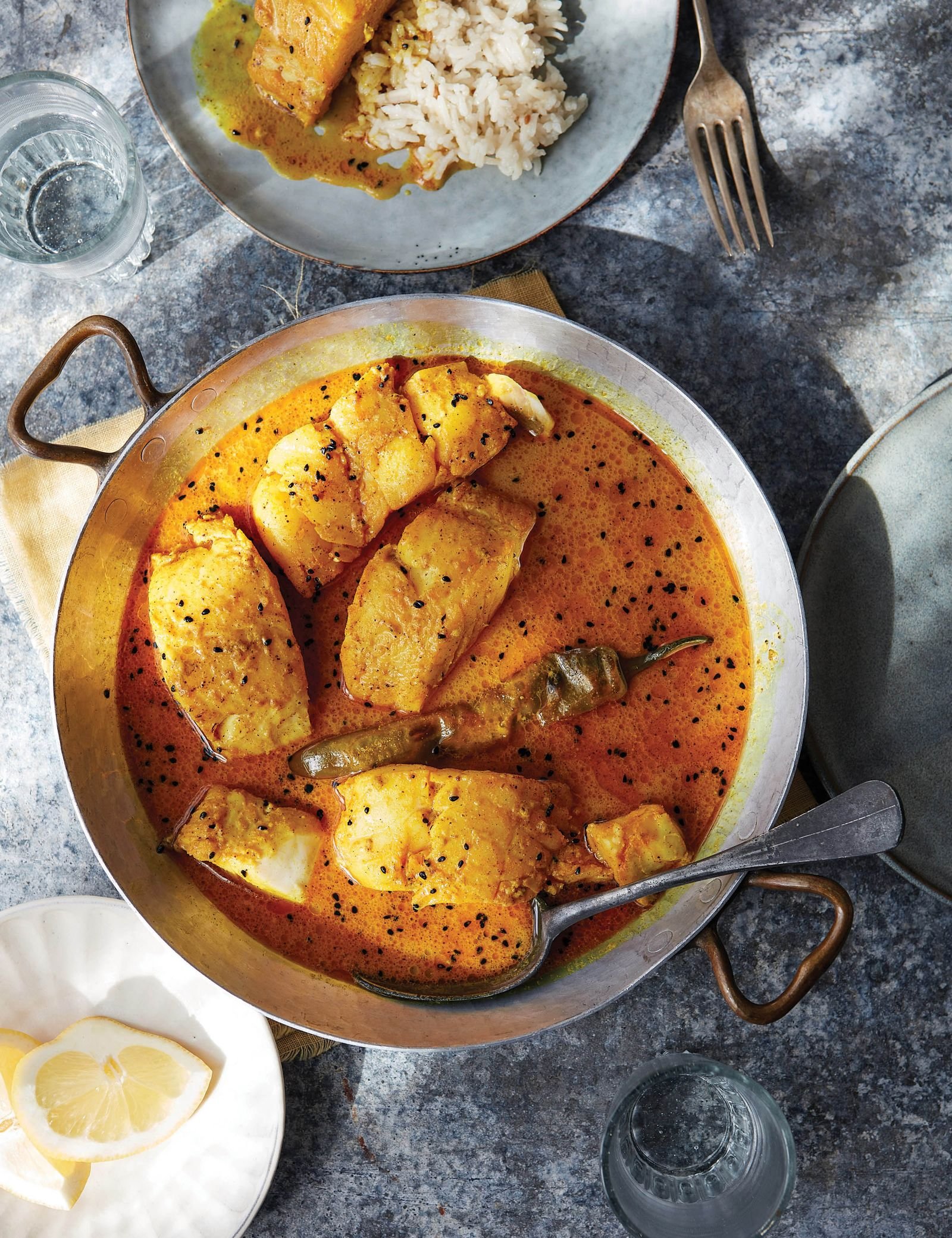
Bangladeshi food is a vibrant and varied cuisine with so many dishes that cater to all diets, rich in vegetable, fish and meat dishes and mustard in all its forms is a key component of that. Whole mustard seeds go into in Panch Phoron, the Bengali five spice used here in Rinku Bhattacharya’s delectable Sweet and Tangy Pineapple Chutney. Ground mustard seeds are used as a paste in some of our most beloved dishes, such as Shorshe Ilish (Hilsa fish curry with mustard) and in bhortas (also known as bhartas), rustic mashed dishes usually made with vegetables.
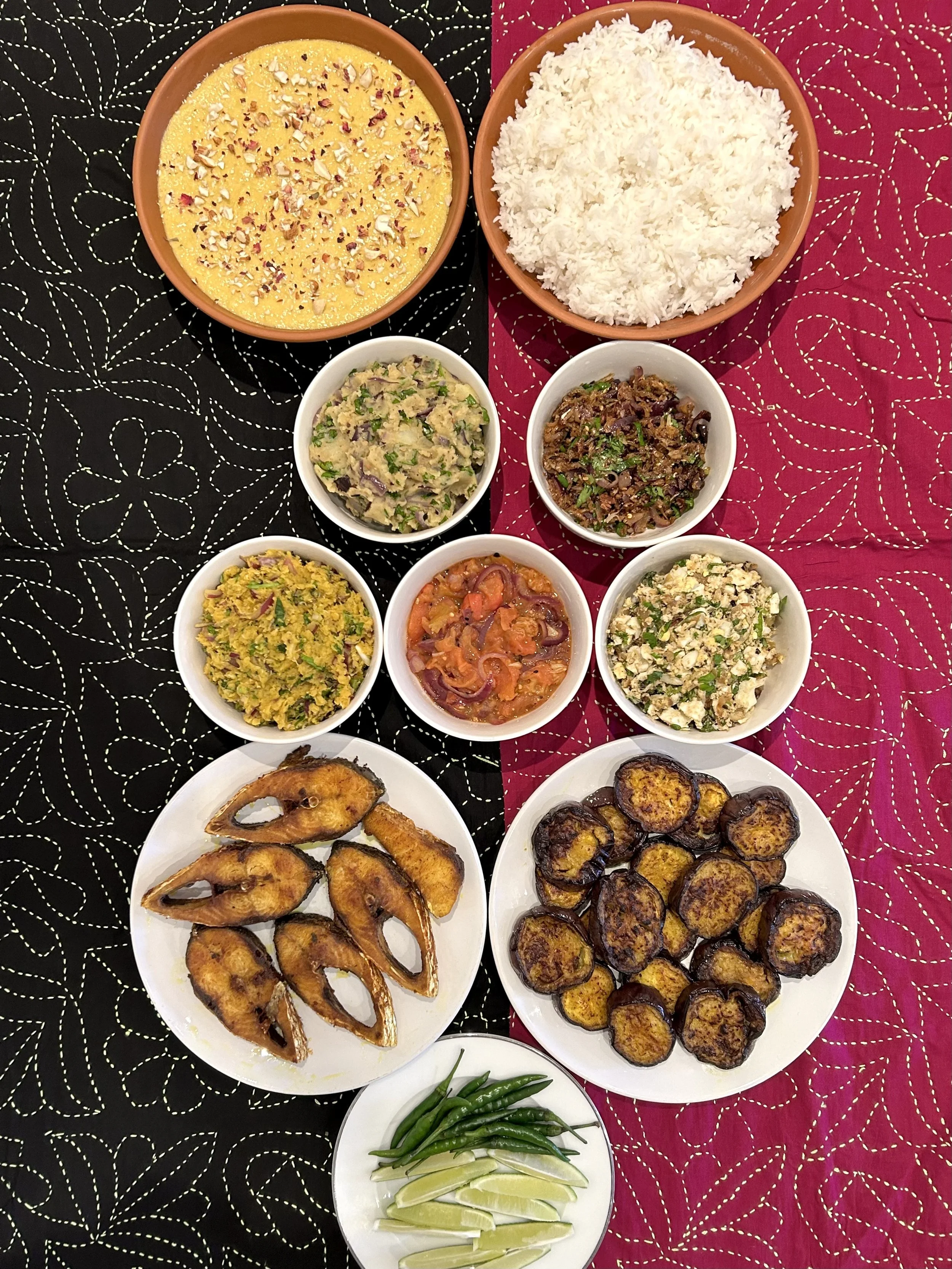
Bhorta, Fish & Rice (Photo: Dina Begum)
With its bold, punchy and pungent flavour profile, mustard oil can be used “as is” in a dressing, as a mix-in, or as drizzled as a topping. Its use in cooking depends on the type of dish. In meat dishes, such as slow-cooked beef or lamb, it acts almost as a background note, while in fish dishes it makes more of a statement—and the addition of ground mustard seeds further elevates the taste and aroma.
Naomi Duguid and Jeffrey Alford’s Seductions of Rice includes mustard oil in dishes such as Bengali Potato and Cauliflower Curry and this Spicy Cabbage from Calcutta. Rinku Bhattacharya’s Instant Indian shares easy everyday Indian recipes, such as Tomator Chutney—a quick Indian condiment pepped up with mustard oil, Thukpa—a Tibetan vegetable noodle soup, and Labra Tarkari a popular Bengali mixed vegetable curry. Sanjana Modha’s modern Indian cookbook Sanjana Feasts, meanwhile, uses mustard oil in many of its East-West fusion dishes such as this Tandoori Cauliflower Cheese.
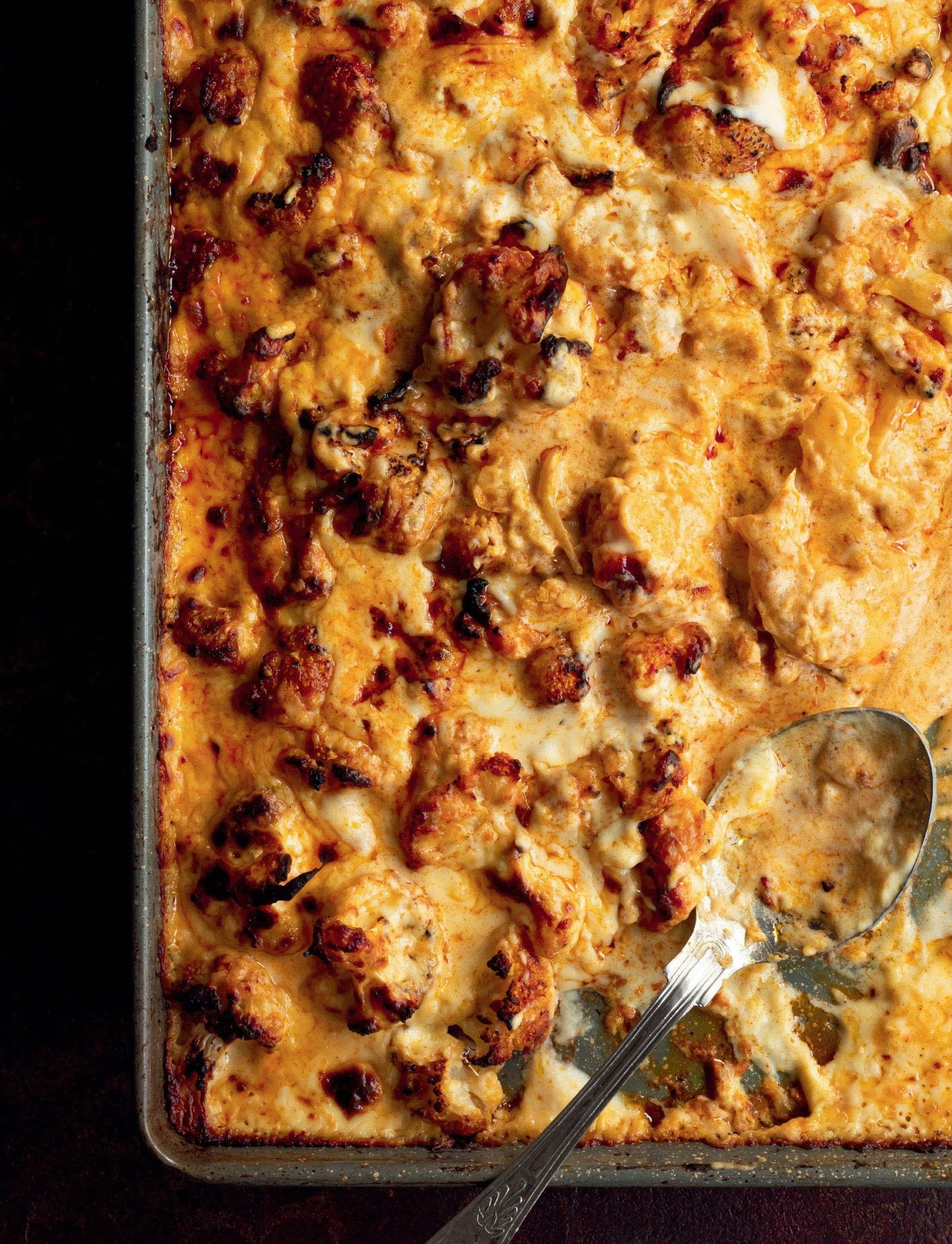
Tandoori Cauliflower Cheese from Sanjana Feasts by Sanjana Modha
How is mustard oil made?
Mustard oil can be made using one of two distinct processes. Firstly, by using a cold press method which helps preserve the natural properties of the seed, which are called kather ghani in Bengali. This is a process of distillation where seeds are ground with water, often using a wooden press, producing a rich, pungent flavour profile with a high nutritional value and anti-oxidants. Alternatively, the second method produces mustard oil in higher quantities using industrial expellers which extract oil from ground mustard seeds, however this can degrade the quality of the oil, where the flavour is not as rich or fragrant, with fewer nutrients, sometimes requiring further processing.
The controversy surrounding mustard oil
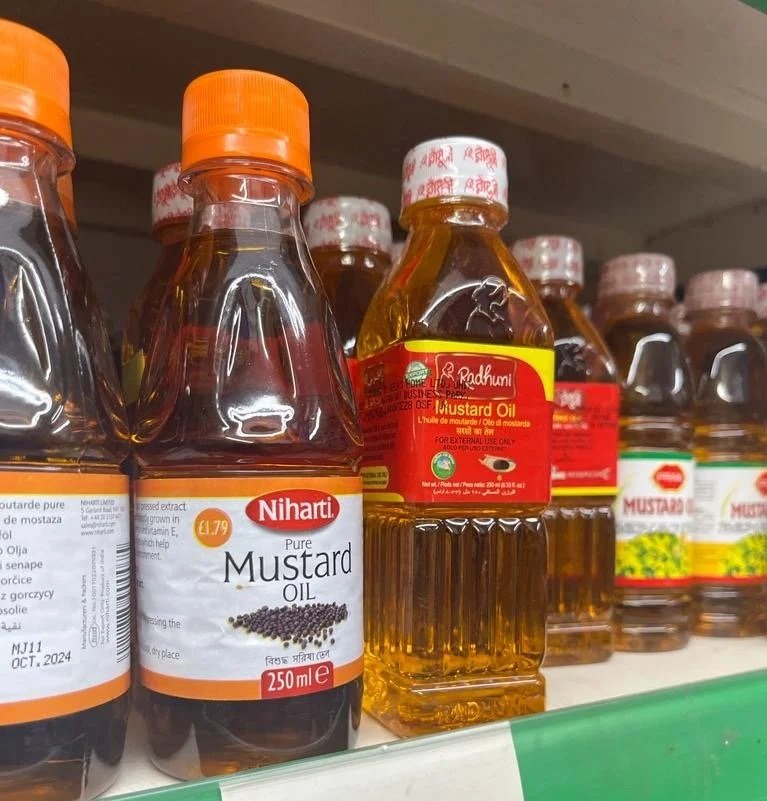
If you’ve ever come across mustard oil in the UK or USA you may have noticed that the bottle is labelled ‘for external use only.’ It may seem that South Asians are rather laissez faire about this point as they fill up their grocery baskets with oil clearly destined for consumption. The labelling rules relate to studies of mustard oil in the 1970s which found high levels of erucic acid, a fatty acid which has been associated with heart problems in test animals. Import regulations followed and ‘external use only’ labelling began in the US—closely followed by the EU and Canada. However, mustard oil has been used in Asia for hundreds of years and its culinary use appears to be undiminished by such concerns. [It should be noted that both the US FDA and the EU continue to strongy advise against the use of mustard oil for cooking and prohibit its sale for that purpose].
While in the US, I noticed the largest number of mustard oil bottles I’d ever seen in an Asian grocery store, and, despite the labeling, they were stocked in the cooking oil section—mustard oils of varying shades packaged up from different areas of India and Bangladesh lining multiple shelves. Surprisingly, regulations around labelling have not changed, even as the popularity of mustard oil has risen—especially as there is increasing interest in world cuisine. As a food writer who specialises in shining a light on Bangladeshi, my pantry suggestions always include this key ingredient—which is a signifier in the distinction of Bangladeshi food.
How to cook with mustard oil
It’s important to use mustard oil correctly in order to obtain maximum flavour. It has a high smoking point so it's a great option for frying—especially fish. To use mustard oil when cooking it is important to heat the oil well so that it is faintly smoking as this also removes some of the raw and pungent smell and taste. Curiously, though, used in small amounts it carries a different flavour. Once met with heat there are no half measures and it must be heated well to avoid and acrid bitter aftertaste. To use the oil in dressings and to mix it into dishes where heating the oil is not necessary, it’s best to get hold of good quality, cold-pressed mustard oil.
Mustard oil is popularly used in Bangladeshi chaats (snack mixes full of contrasting flavours and textures) including puffed rice and bombay mix concoctions such as Bengali jhal muri and chanachur—shaken in a cocktail shaker or tupperware, ‘streetfood’ style. Bhorta (or Bharta)—a mash, made with vegetables, seafood or meat— is incomplete without this aromatic, golden coloured oil. Mustard oil can be mixed by hand into the dishes for a sharp burst of pungent spiciness, and/or drizzled on top as one would olive oil for extra flavour. Eaten with plain rice, this produces the perfect balance.
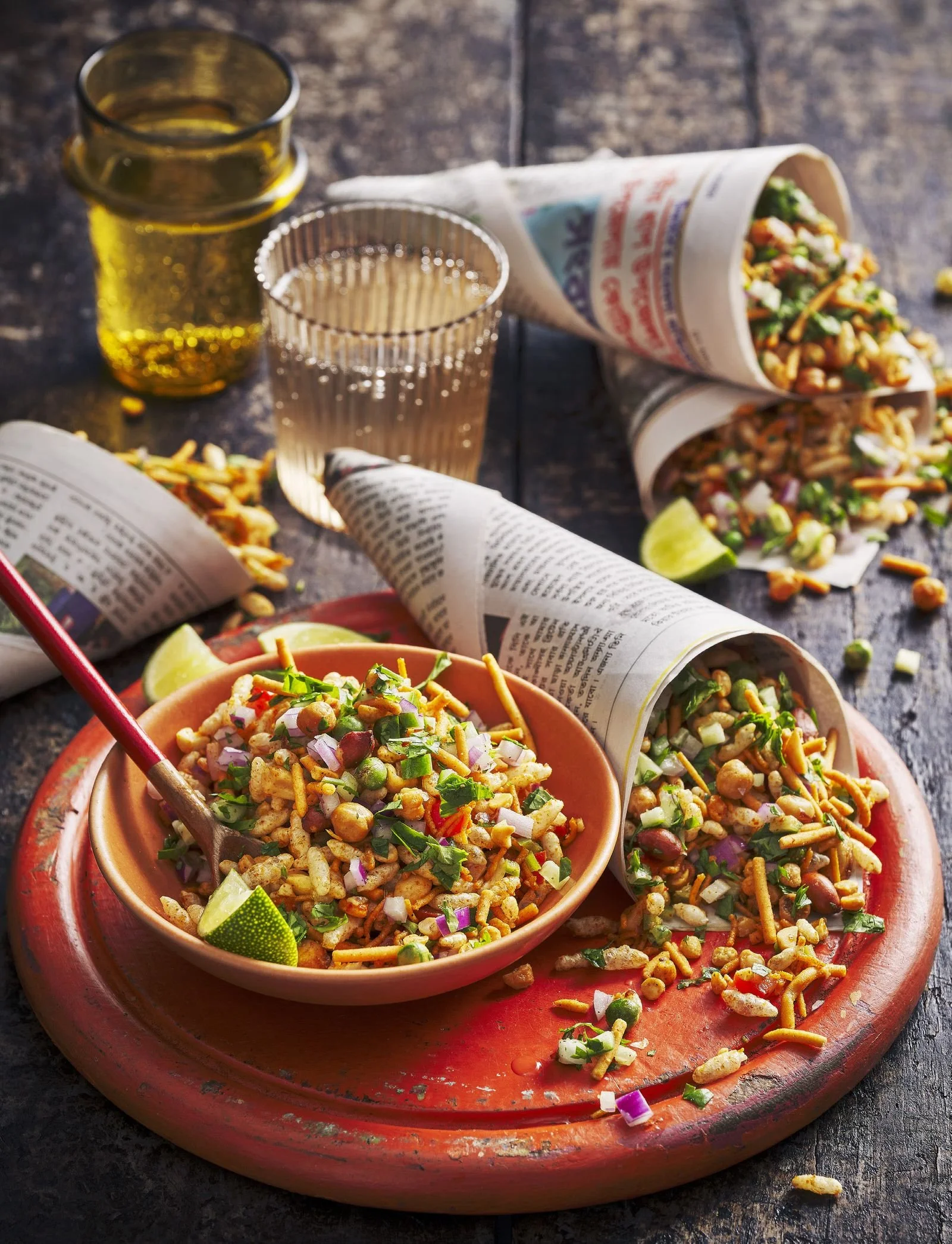
Mustard oil recipes
Frying, whether shallow or deep, is an art in south asian cooking as there are a multitude of fried dishes. In her recipe for Mustard Oil Fried Fish, Jyoti Pathak instructs that the mustard oil should be slightly smoking before adding the fish. As she describes the process for the fish—dredge, drop into the hot smoking oil, cook and drain well, she also mentions adding more oil if necessary and making sure the oil is heated well before adding a fresh batch of fish. This point is very important and echoes the tips for frying I learned from my mother. Not only does this get rid of the rawness of the oil but it ensures that the fish is fried well and creates a good crust without the oil seeping into the fish and making it greasy.
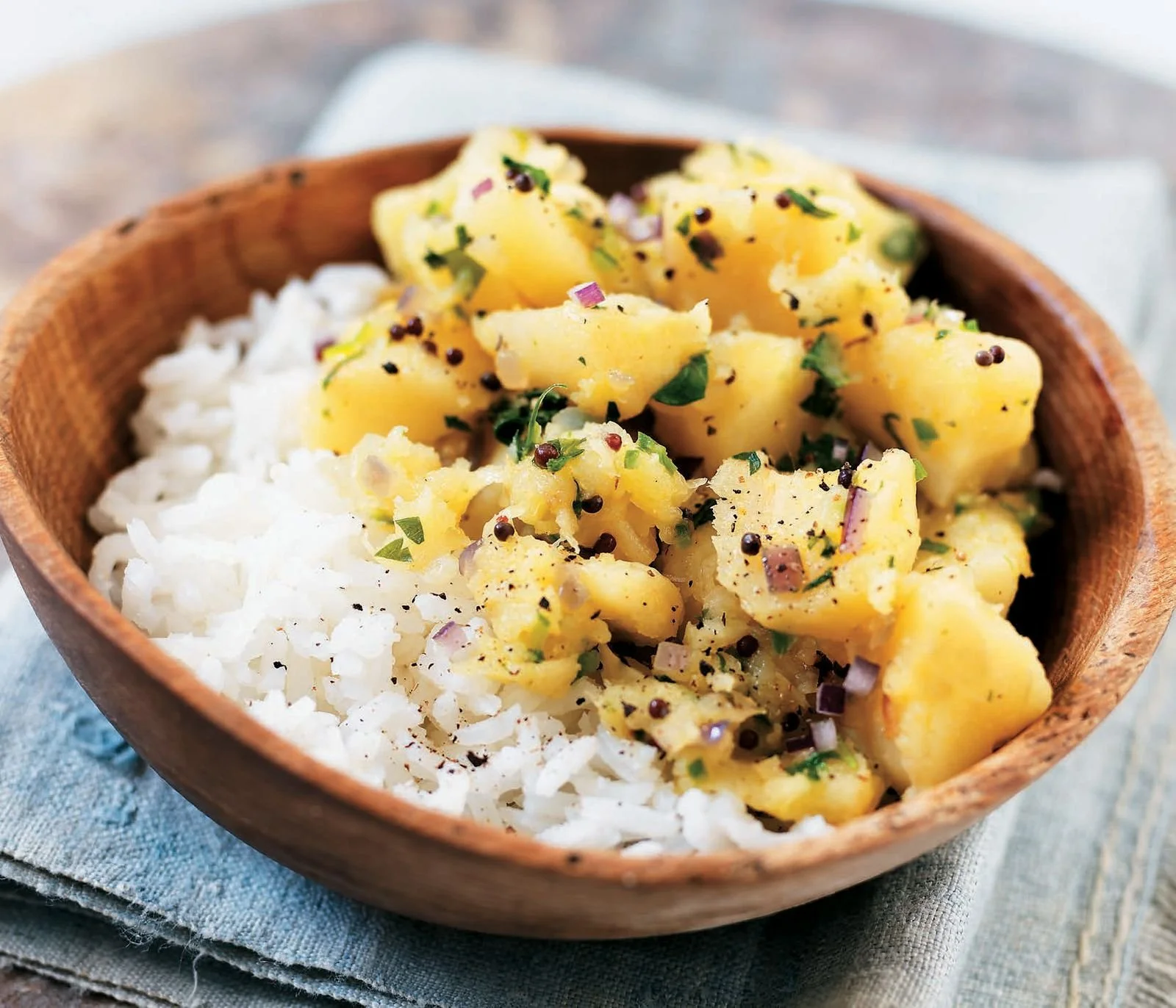
Mridlula Baljekar’s recipe for Crushed Parsnips in Spiced Mustard Oil combines a traditional Indian method of cooking with non-traditional parsnip which is not a common ingredient in South Asian cooking. This dish is an example of a bharta (known to Bangladeshis as bhorta), where vegetables are crushed with spices and mustard oil for a delicious combination of bold spicy flavours and contrasting textures.
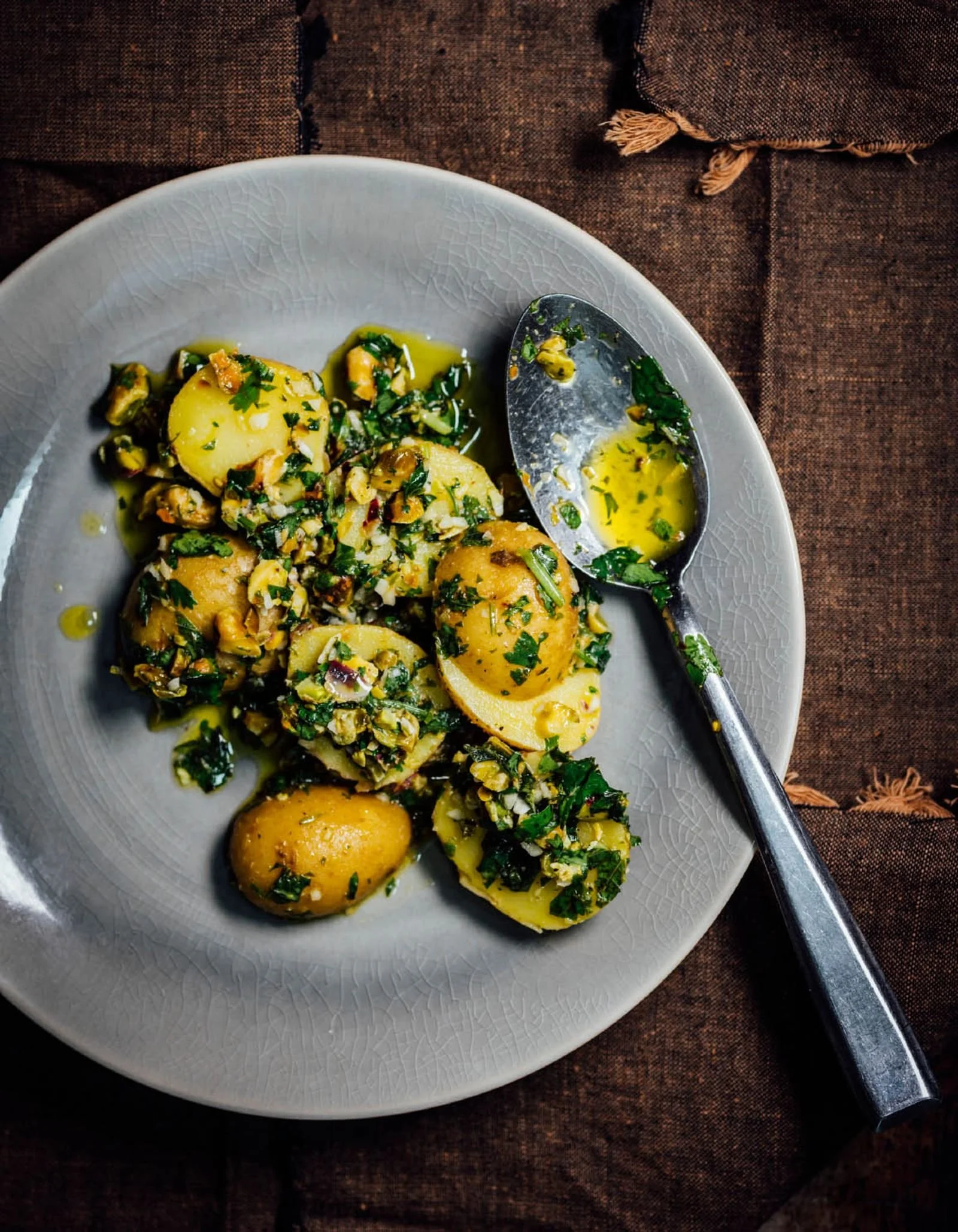
Nik Sharma, introducing his innovative Curry Leaf and Mustard Oil Mayonnaise, compares the oil to wasabi—which is actually an excellent reference point, with mustard oil imparting a delicious heat, when used sparingly. The curry leaves are added to hot mustard oil which is then cooled and used to make the mayonnaise. This method of heating the oil removes rawness, while at the same time infusing it with the scent of curry leaves, resulting in an intensely flavourful condiment which can be used as a dip or in salads. Nik Sharma also shows the versatility of mustard oil which can add a spicy note to non-Indian dishes, as with his recipe for New Potatoes with Mustard Oil Herb Salsa. This uses raw mustard oil, which works well in a herby salsa, offering a wonderful alternative to the peppery notes in good extra virgin olive oil.
Featured recipes
About the author

Dina Begum is a British-Bangladeshi writer based in London who has written articles and recipes for nationwide publications such as The Telegraph, Delicious Magazine, Waitrose, Metro and The Independent, amongst others. Made in Bangladesh has been listed in best new cookbook selections in Vogue, National Geographic, Waitrose Magazine and Waterstones.
Dina is a member of the Guild of Food Writers and has also written a feature and recipes series for Great British Chefs, based on the six seasons of Bangladeshi cuisine, and filmed a spice blends tutorial series for Yodomo and featured on Great Big Story. She has hosted popular Bangladeshi pop ups at Darjeeling Express to showcase home cooking favourites, as part of their #WomenInFood series and has taken part in a programme at The Museum of Food and Drink (MOFAD) and a supperclub at Archestratus in New York. Her first cookbook, The Brick Lane Cookbook, was published in 2018, and is available in full on ckbk.
More from ckbk features

Roberta Muir speaks to the Australian chef who’s cookingand cookbooks helped to bring Thai food to a global audience

The best things come to those who wait. Ellen Manning celebrates the deep flavours which come from sitting back and letting time work its magic
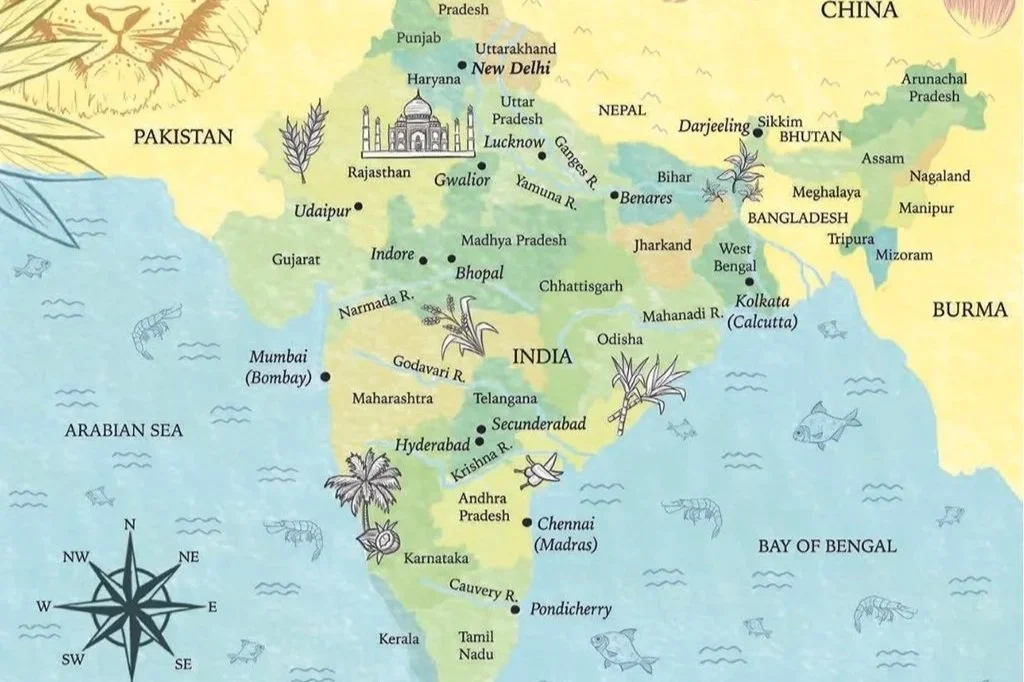
Susan Low surveys ckbk’s Indian bookshelf, which offers a comprehensive guide to India’s many regional cuisines
Advertisement