
Advertisement
Behind the Cookbook: Classic Palestinian Cuisine
12 November 2026 · Behind the Cookbook
To celebrate the publication on 12 Nov 2026 of a new 25th anniversary edition of Classic Palestinian Cuisine, we invited the author, Christiane Dabdoub Nasser to share the story of the book, its origins, its reception, and the wider impact and importance of Palestinian food in recent years.
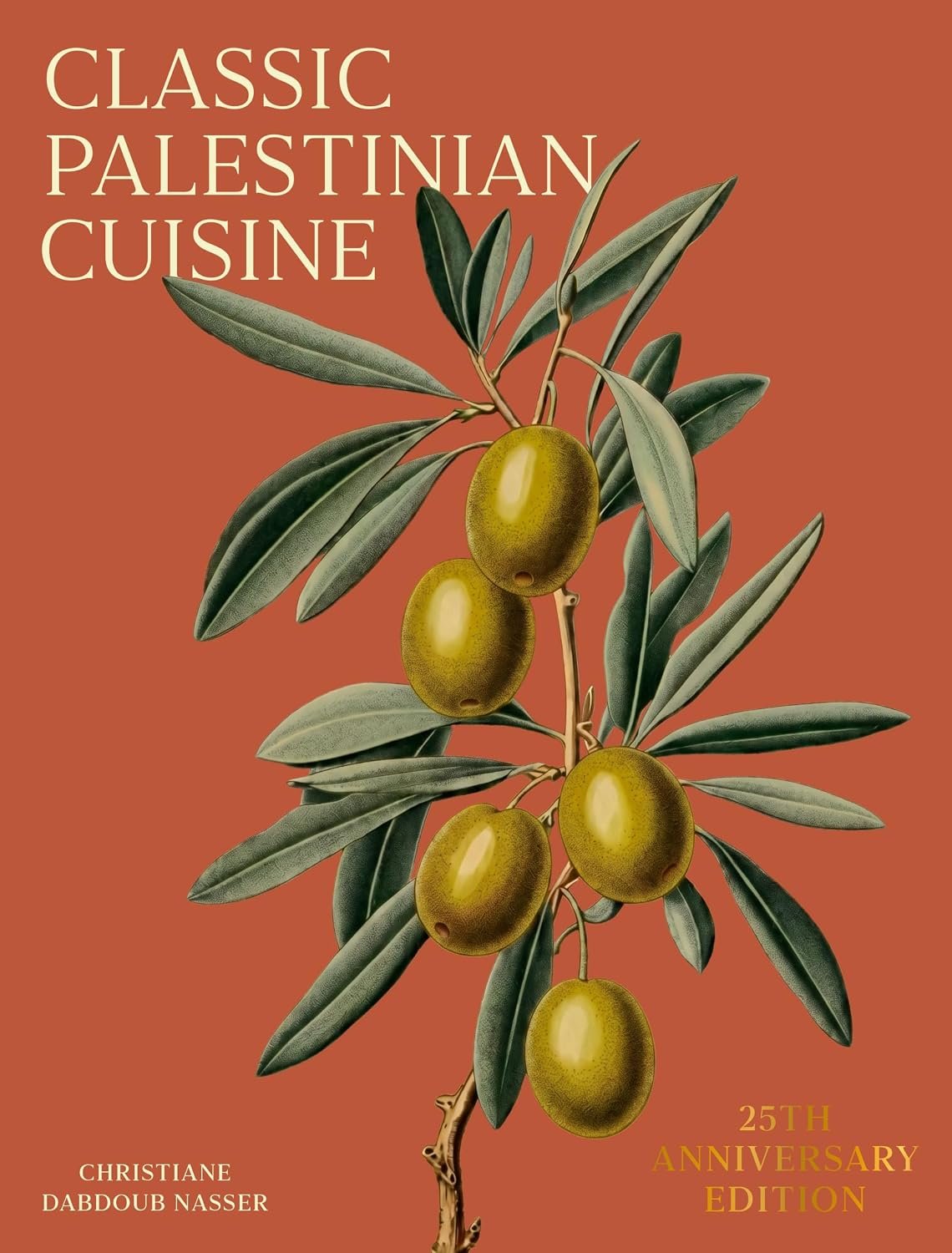
The first edition of this book was the result of serendipity. I was working on a booklet of recipes for a fund-raising project with an artist who was supposed to do the illustrations. A friend of mine, who had proposed the idea in the first place, found out that Mai Ghoussob, co-founder of my publisher Saqi Books and friend of a friend of hers, was interested in publishing a Palestinian cookery book. She passed on the information, urging me to contact Saqi and I sent them samples of my recipes.
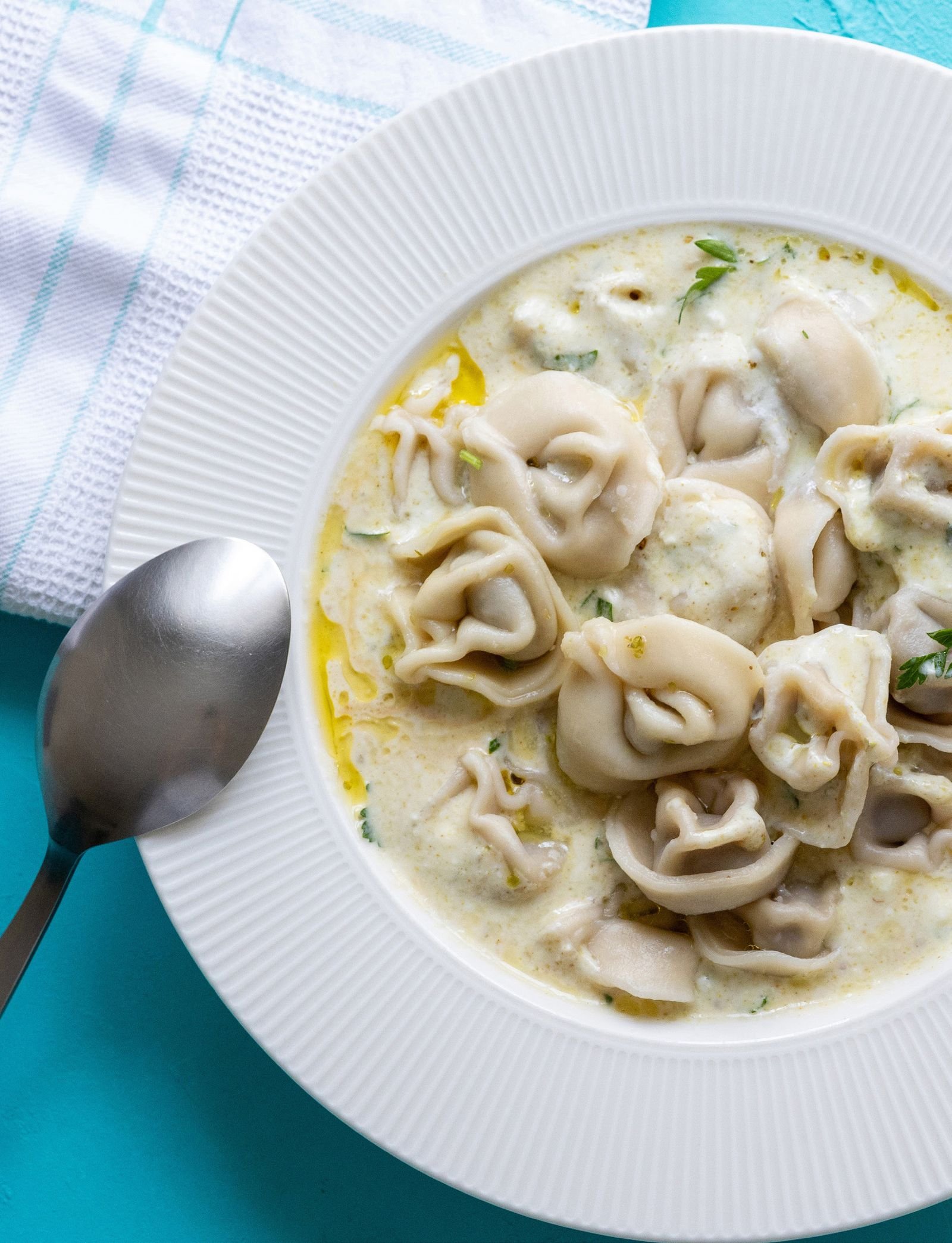
That was one part of the story. The other part was that I had set myself a challenge. When I first got married, the mantra in the family was that I could barely fry an egg. Which was true. But after more than twenty years of marriage and thousands of carefully prepared meals, when I felt that I had amply proved my culinary talents, the label still stuck. What better opportunity than a cookbook to allow me entry to the pantheon of cooks in the family? Many of the recipes were passed down from my great-aunt and my mother, while others came from friends—all with a proven track record of culinary success. Because most of our meals as a family were prepared at home, it was inevitable to introduce a few changes to meet our taste—for instance substituting laban jameed, butter-milk that has been processed and dried for year-round consumption, with plain yoghurt in preparing shish barak (meat stuffed dumplings cooked in yoghurt).
Hadn’t I proved multiple times that I could prepare a pretty decent version of kousa mahshi ma’ warak enab (stuffed courgettes and rolled vine leaves)? It took me a while, but I eventually mastered the knack of emptying the marrows just enough to keep their flavour, and thin enough to gratify the most fastidious critic. Hadn’t I proven my skills at picking the tenderest leaves from the Bittuni vines [a rare grape variety, indigenous to the region]? But the experience of writing this cookbook was more than I had bargained for: it stood as a testimony to the value of commensality and redefined the meaning I associated with food and cooking.
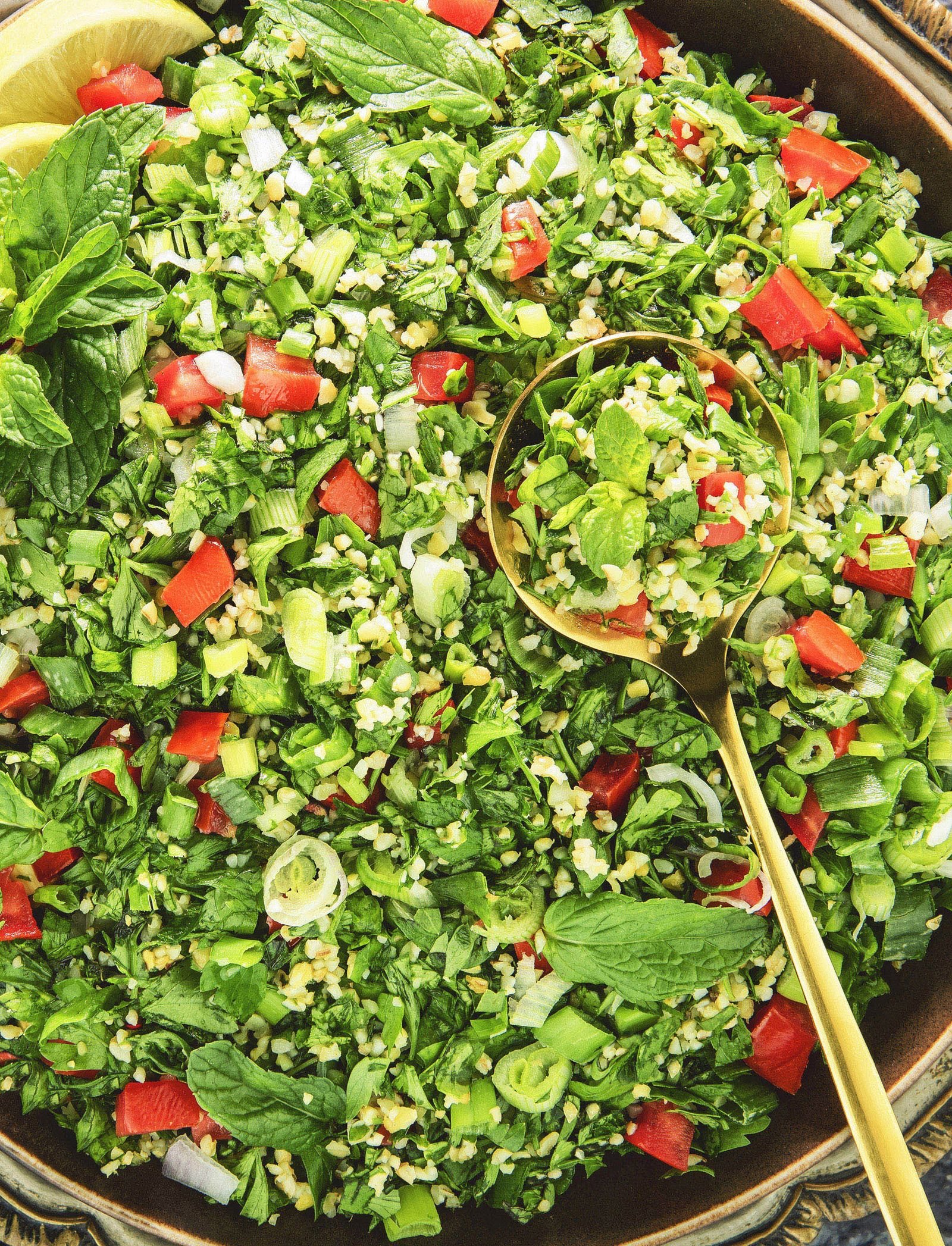
It was the summer of 1999 and I spent every spare minute cooking—adjusting recipes, perfecting measurements, noting down preparation and cooking time, suggesting alternatives. I’m not a chef, and I had always cooked spontaneously and instinctively, so jotting down in my notebook every step in the preparation of a dish, every detail about quantities, and every tip for shortcuts was more tedious than I had anticipated. Did I get the seasoning for the tabbouleh right? I fretted now that it was no longer spontaneous. In the evening, I would copy the notes to my computer and painstakingly convert the measurements to the imperial system. But the difficult part came in the description of the process—the gestures, the techniques, the key moment of when to stop stirring or when to turn down the heat. I had to go over them several times lest I had missed out something.
On weekends, I would invite friends, prepare a carefully crafted menu and discuss every dish over the clanking of silverware. My kitchen is large and filled with light, extending out toward a spacious courtyard where most of our meals took place. On those days, it was no longer the private space where I created my opus and struggled to get it right; it took on a life of its own as friends helped out, with lots of back and forth between the kitchen and the courtyard until we would finally settle into the business at hand: sampling the many dishes on offer. It was done in earnest and total silence until the comments, queries, and compliments started coming and a verdict was finally reached: you definitley have to include these dishes in your book. And I would share childhood anecdotes about one dish or another, which sparked plenty of laughter. There was one in particular about the kibbeh b’suniyyeh (meat and bulgur bake), which reminded me of my great-aunt in Damascus. She had moved to the third floor of an apartment building after years of living in an independent house. Every time she wanted to prepare kibbeh, it was an occasion for an emotional outburst: she would point at an ancient-looking stone trough sitting in the kitchen corner, with a thick wooden pestle leaning inertly against the inside wall, and lament over how it had fallen into disuse because of ‘them’—meaning the neighbours. They could not tolerate the pounding of the meat and bulgur over their heads, and she never came to terms with the manual meat chopper my mother bought her.
My foreign friends mostly appreciated the dishes they could not find in restaurants and that required painstaking preparation, such as sheikh al-mahshi (stuffed aubergines), malfouf (stuffed cabbage) and kousa mahshi ma’ warak enab (stuffed vine leaves and courgettes, mentioned earlier).
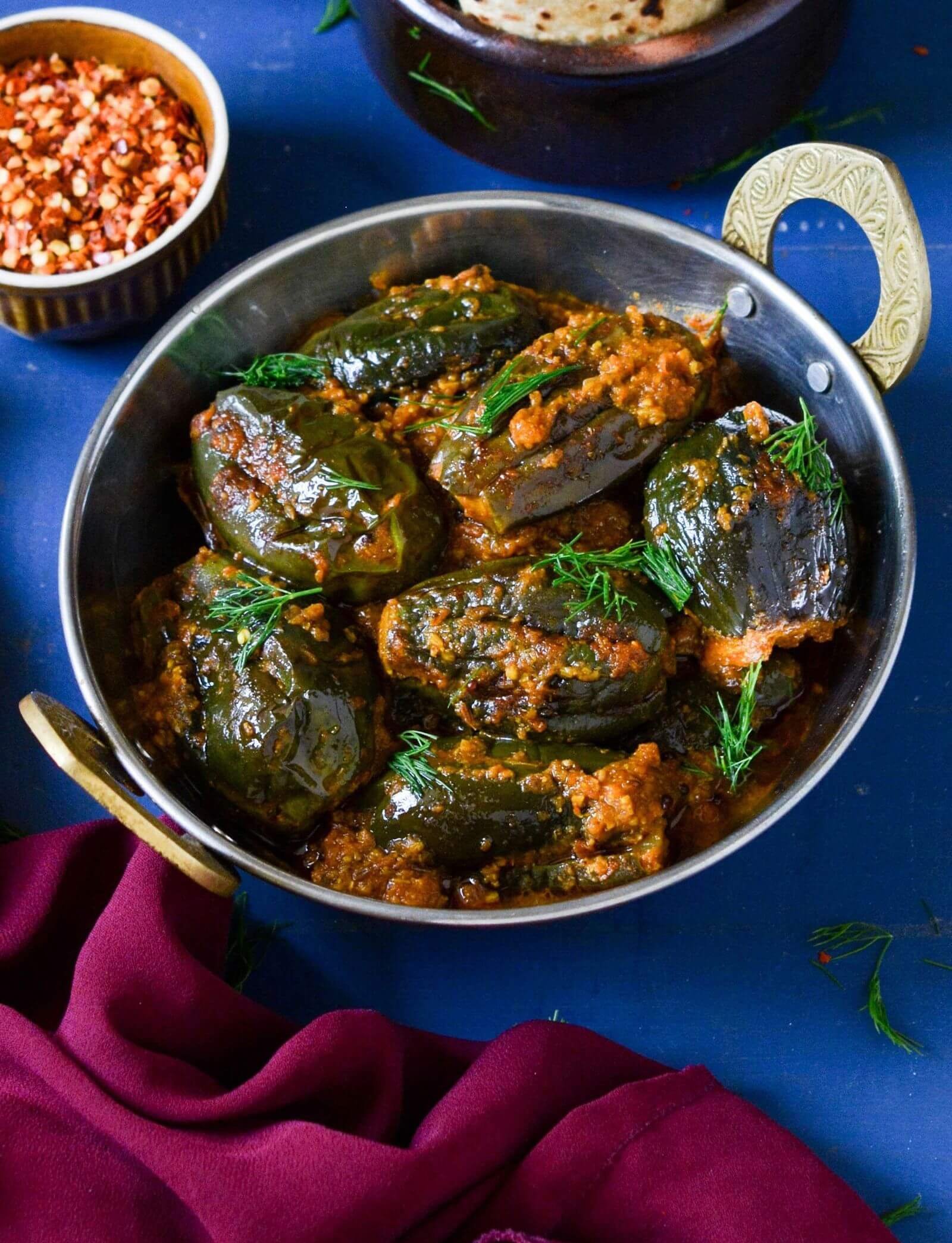
Sheikh Al-Mahshi (Stuffed Aubergines) from Classic Palestinian Cuisine
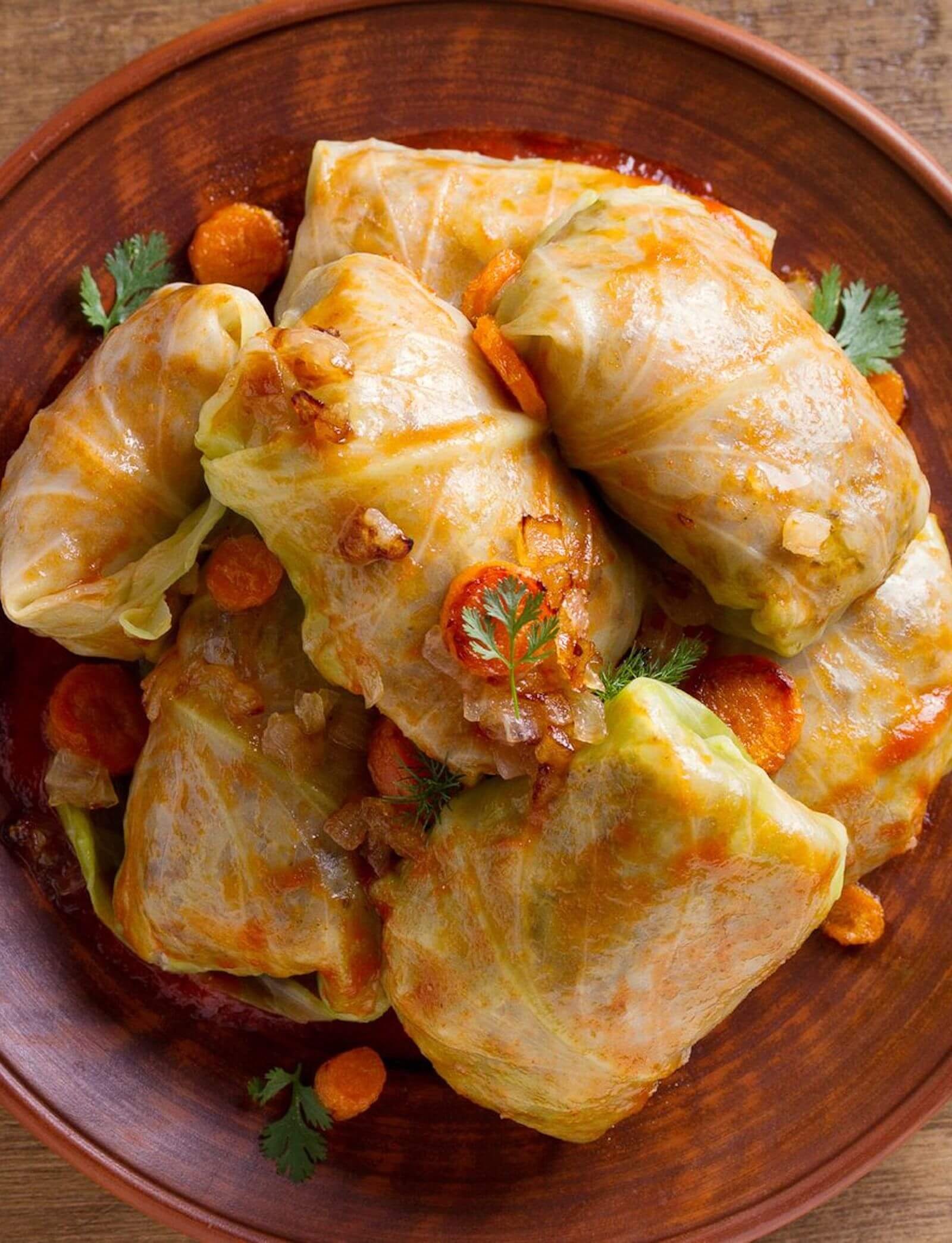
Malfouf (Stuffed Cabbage) from Classic Palestinian Cuisine
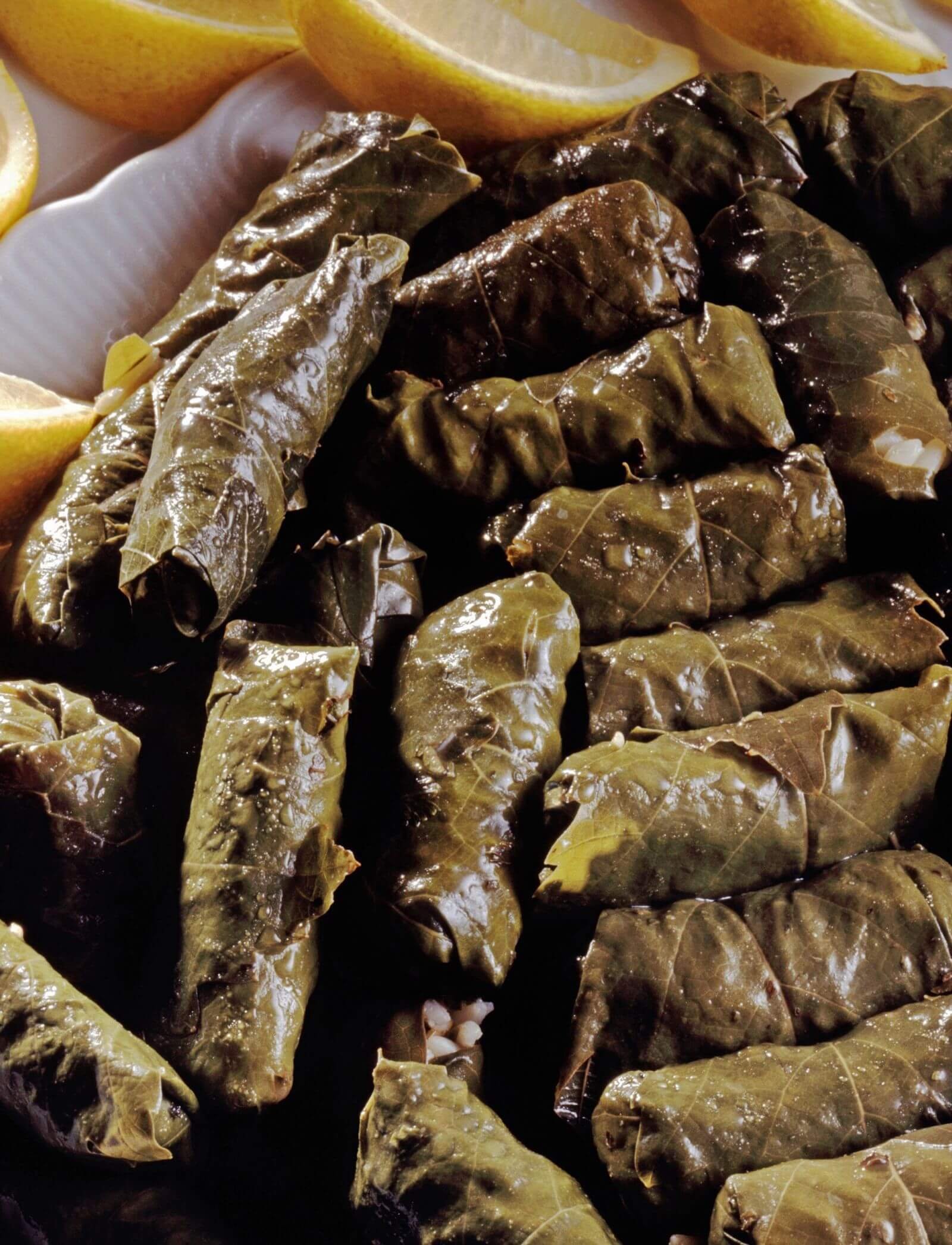
Kousa Mahshi Ma’ Warak Enab (Stuffed Courgettes and Vine Leaves) from Classic Palestinian Cuisine
They discovered yakhni bamiyeh (okra stew), mloukhiyeh (a thin-stalked green vegetable also known in some countries as Jew’s mallow), and marvelled over aish al-saraya (cream pudding with pistachios) and the home-made version of knafeh (vermicelli pastry with sheep's cheese, soaked in syrup) and qatayef (filled semolina pancakes).
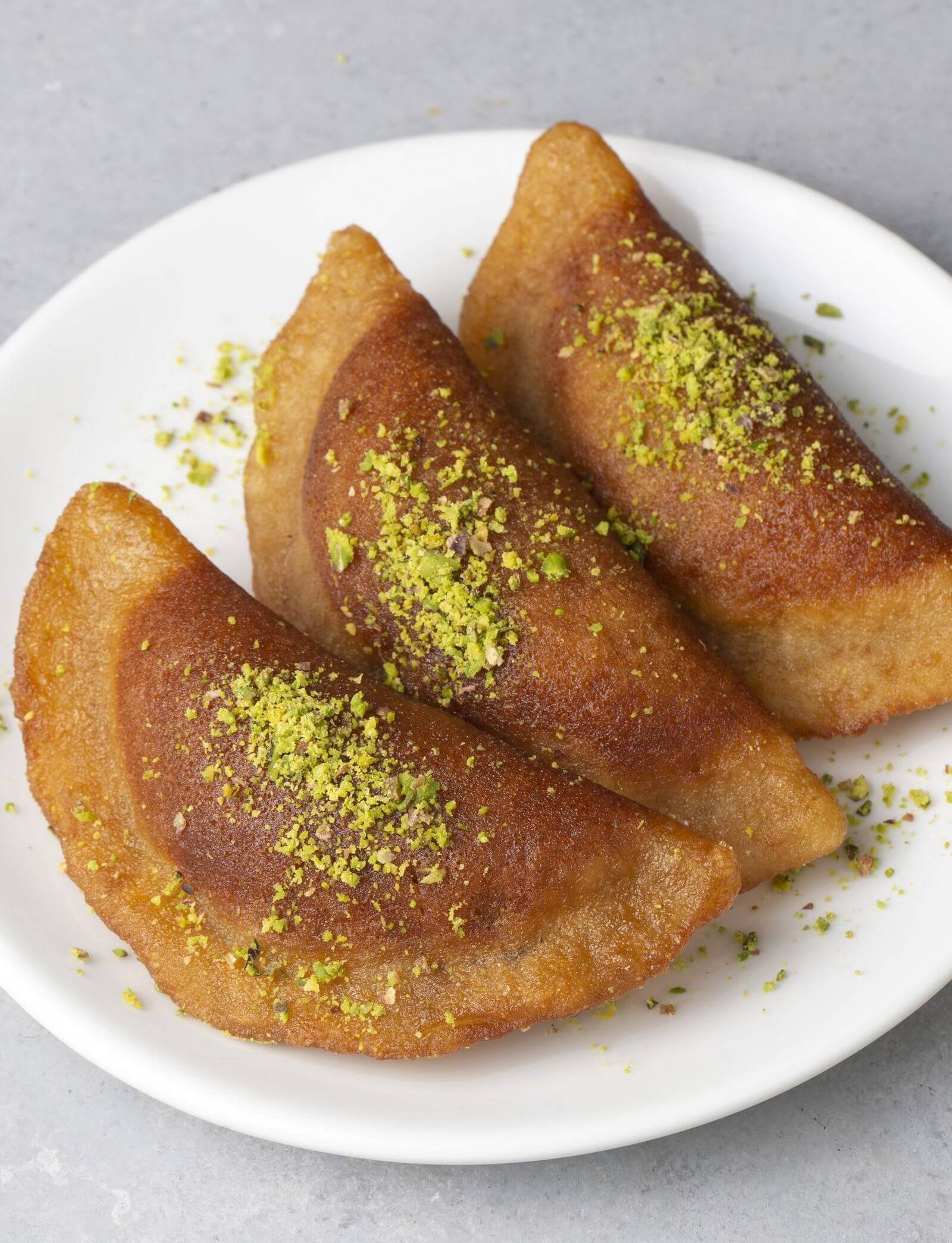
Qatayef (Filled Semolina Pancakes) from Classic Palestinian Cuisine
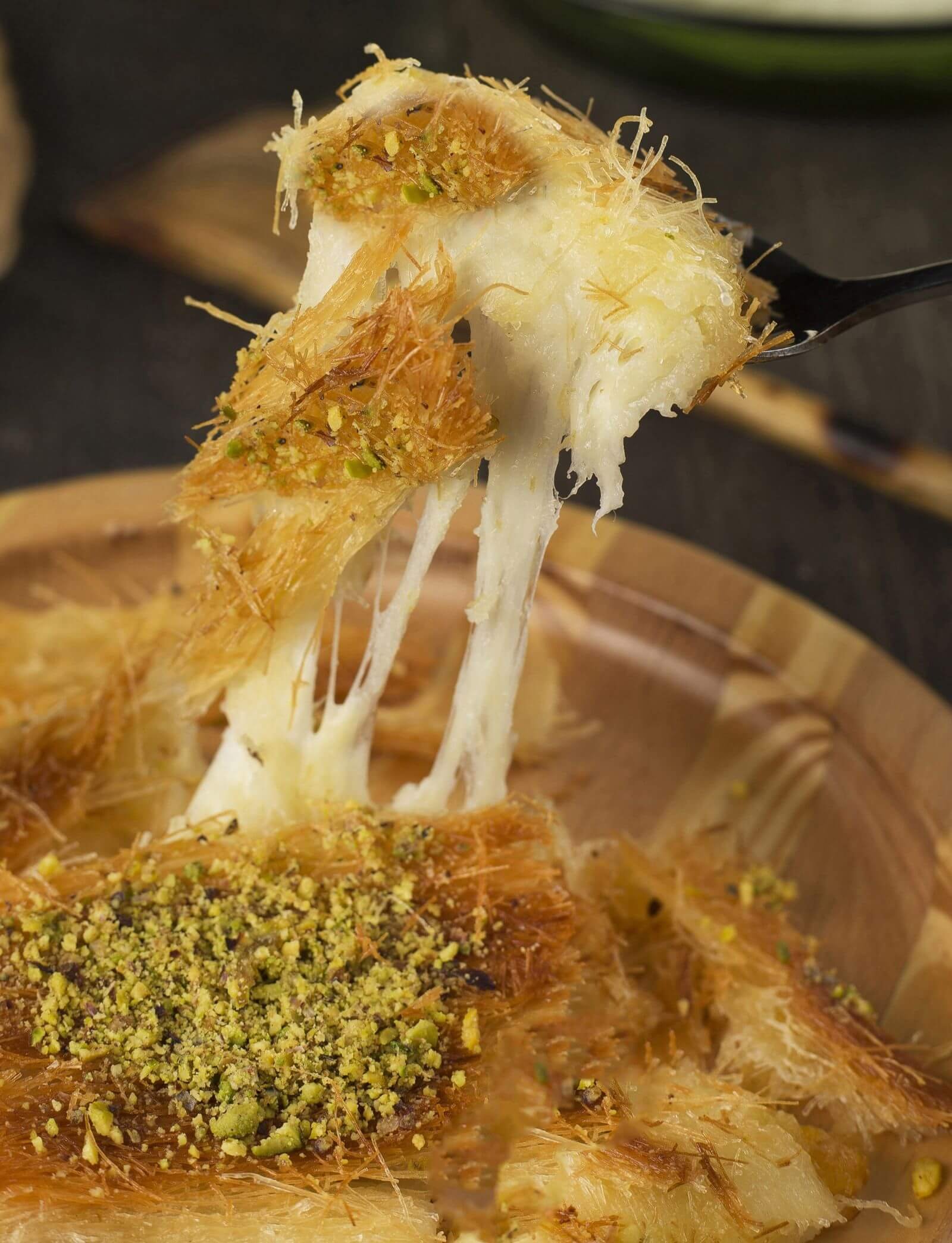
Knafeh (Cheese Dessert) from Classic Palestinian Cuisine
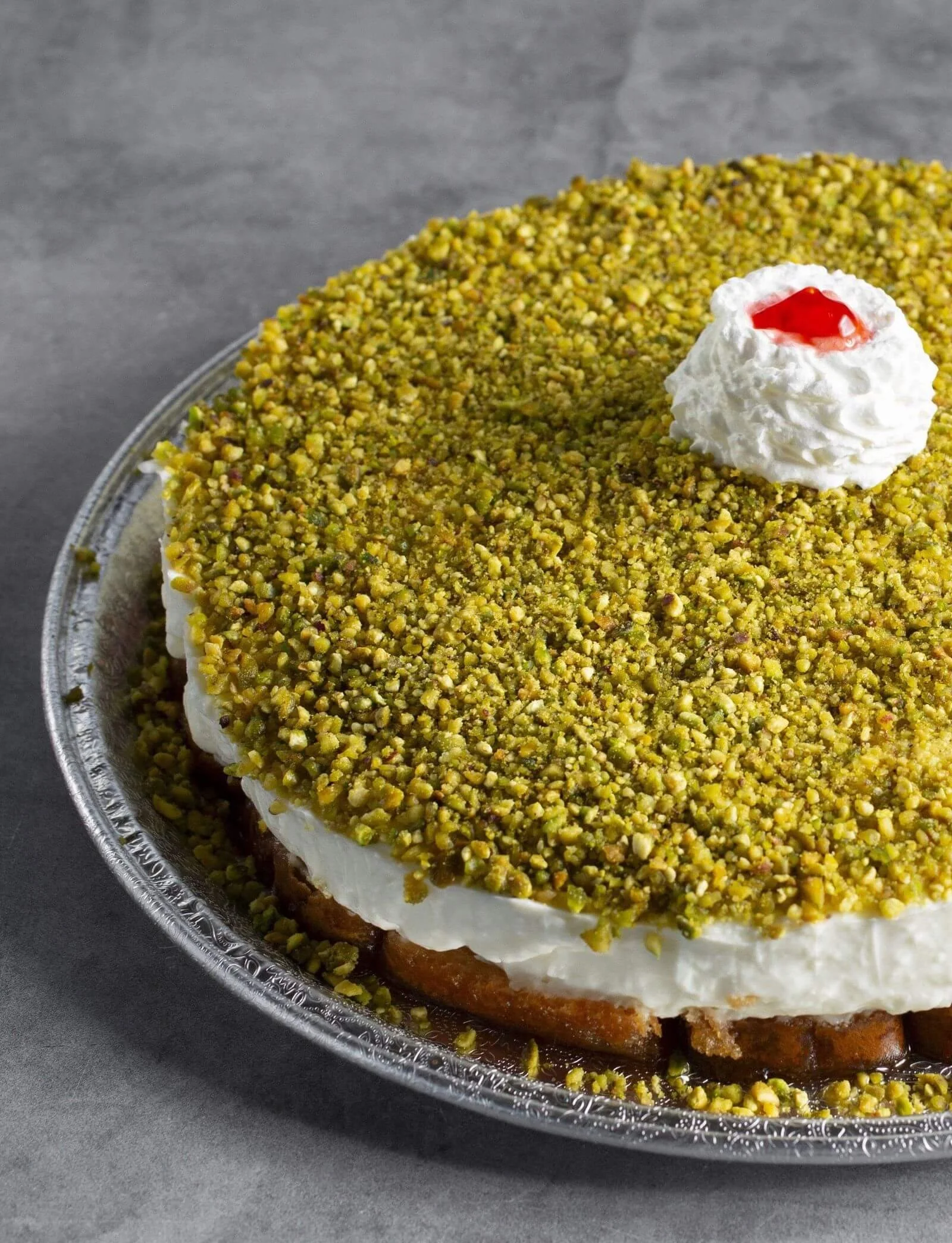
Aish Al-Saraya (Cream Pudding with Pistachios) from Classic Palestinian Cuisine
When the first edition of the book came out, the internet wasn’t what it is today, and social media and blogs, where recipes can go viral, were nonexistent. An American friend sent me the url of a chat room where my recently published book was being discussed, and two comments stuck with me: one was about what a wonderful discovery it was and that the recipes actually work; the other was about the abundance of vegetarian and vegan options. A couple of months later I was at Barnes and Noble in Boston and dashed to the cookbooks section and saw a few copies of the book beckoning to me. I went to the saleslady and asked her whether it was selling and she said that it was a ‘slow-seller-kind-of-book’. However, she also said that a few universities had ordered it for their Middle Eastern departments. I shed my timidity for a moment and told her that I was the author, and she smiled and asked me if I would be interested in signing the copies, which I did. She then put them back on the shelf with a “Signed Copies” sticker, and I walked away with a bounce in my step.
Working on the fourth edition—this latest twenty-fifth anniversary edition—has brought it all back and more. At a personal level, it was a sharp reminder of the time that has gone by and the transformations that have unfolded as my children have moved out and started families of their own. Henceforth, big cooking projects became concentrated at Christmas time and during their summer visits. At the culinary level, I came to realise the strides that have been made in promoting Palestinian food to the world, which left me rather proud that my cookery book has been a trailblazer in this achievement. Blogs and reels have proliferated, and traditional recipes are adapted and reinvented with young chefs taking the lead venturing into new territories and experimenting with new ingredients and techniques.
Mariam (@baiti-ana) and Olive Odyssey (@olive.odyssey) vie for attention on Instagram. Sari Khoury is promoting his Philokalia wines (@philokalia_wines) and entrepreneur Jumana Jacir (@shopkama) is selling her handcrafted products online and at upscale outlets. Books authored by Palestinians and aficionados of Palestinian food are also proliferating—Sami Tamimi’s most recent Boustany and Reem Kassis’s classic, The Palestinian Table, spring to mind. A wave of researchers from many universities across the world is publishing articles and essays on Palestinian food, and their work is gaining traction in the fields of anthropology, history, and sociology. The restaurant scene has also flourished across many cities in Palestine, and beyond: Sara Aqel (@dara.dining) has been gaining awards in Jordan, Ahmed Alameh (@chef.ahmed.alameh) has earned a mention in the Michelin guide for his New York restaurant, Ayat, and Fadi Kattan (@fadi.f.kattan) has created a huge buzz with his Akub restaurant in London
As I was exchanging with the Saqi team—a group of wonderful women—about my plan for the updates and additional recipes, a young Gazan girl, Rinad Atallah (@renadfromgaza) was posting recipes on Instagram, adapted to live in a war zone. It was the spring of 2024: the aggression against Gaza was at its fiercest and the famine was yet to unfold, but the responses to her reel were amazing. Even during the direst of crises, I thought, food continues to play an important role in the life of communities. Despite the injustices, the violence, and the attempts to strip us of our heritage and our dignity, the coring of every courgette, the rolling of every vine leaf, and the frying of evey falafel is an act of survival—and much more, it is an act of defiance. If anything, the Gazan girl’s Orphan Makloubeh (made without meat, due to its scarcity in Gaza) has reinforced solidarities between all Palestinians, wherever they may be: right beyond the border line in Jerusalem, Bethlehem, Ramallah or Hebron, in Israel, or beyond the seas, in Europe, Chile and Australia.
About the author
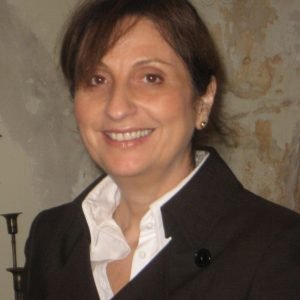
Christiane Dabdoub Nasser was born in Bethlehem to a Palestinian father and a Franco-Syrian mother. She grew up immersed in the aromas and customs of Levantine home cooking. Alongside her passion for food, Christiane has played a leading role in cultural initiatives in Palestine and beyond. She is co-founder of the Centre for Cultural Heritage Preservation in Bethlehem and published her first novel, A Moon Will Rise, in 2021.
More ckbk features
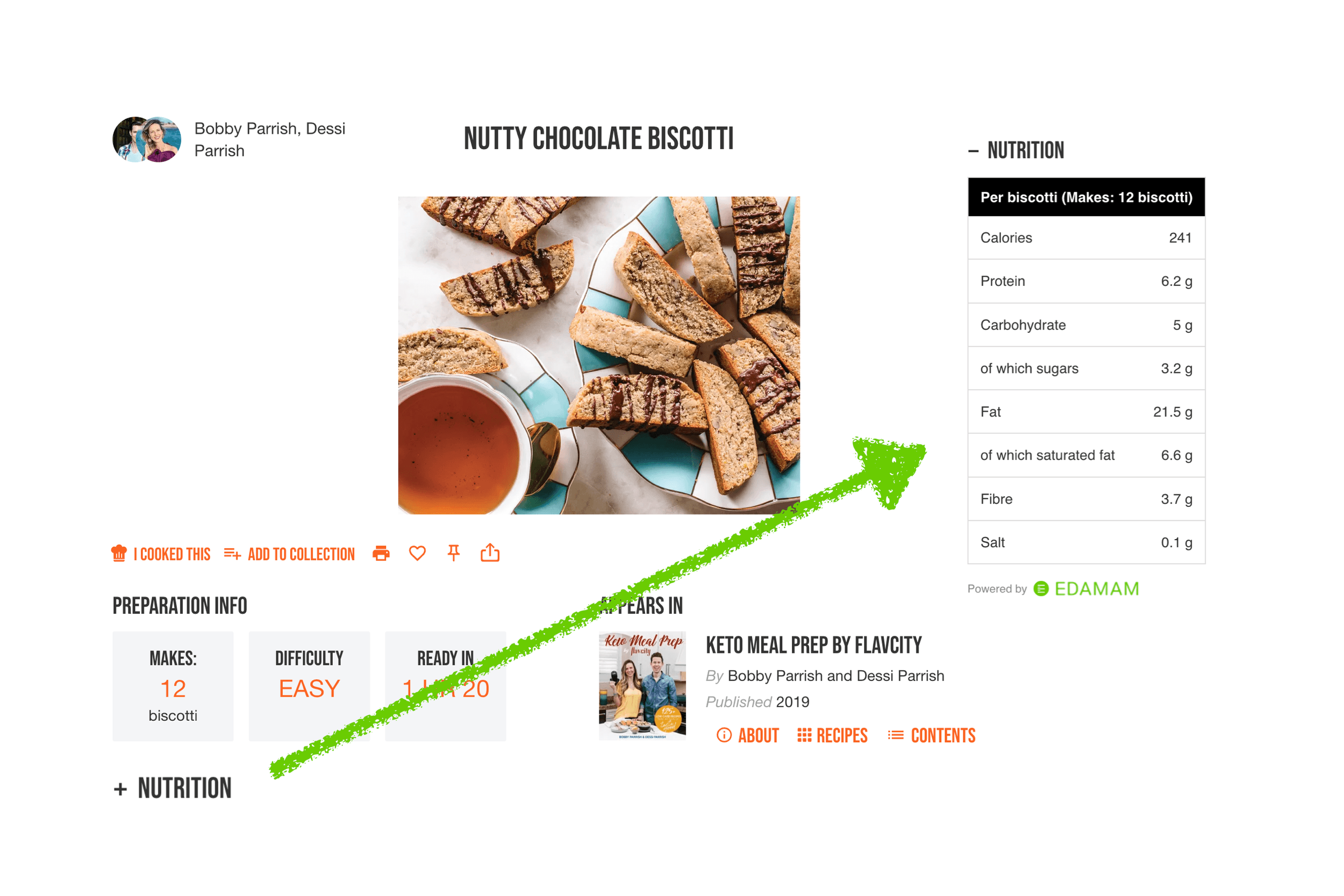
See nutritional information for any recipe on ckbk, make use of additional diet filters, and set your personal dietary preferences

ckbk co-founder Nadia Arumugam profiles the Malaysian lawyer turned cookbook author
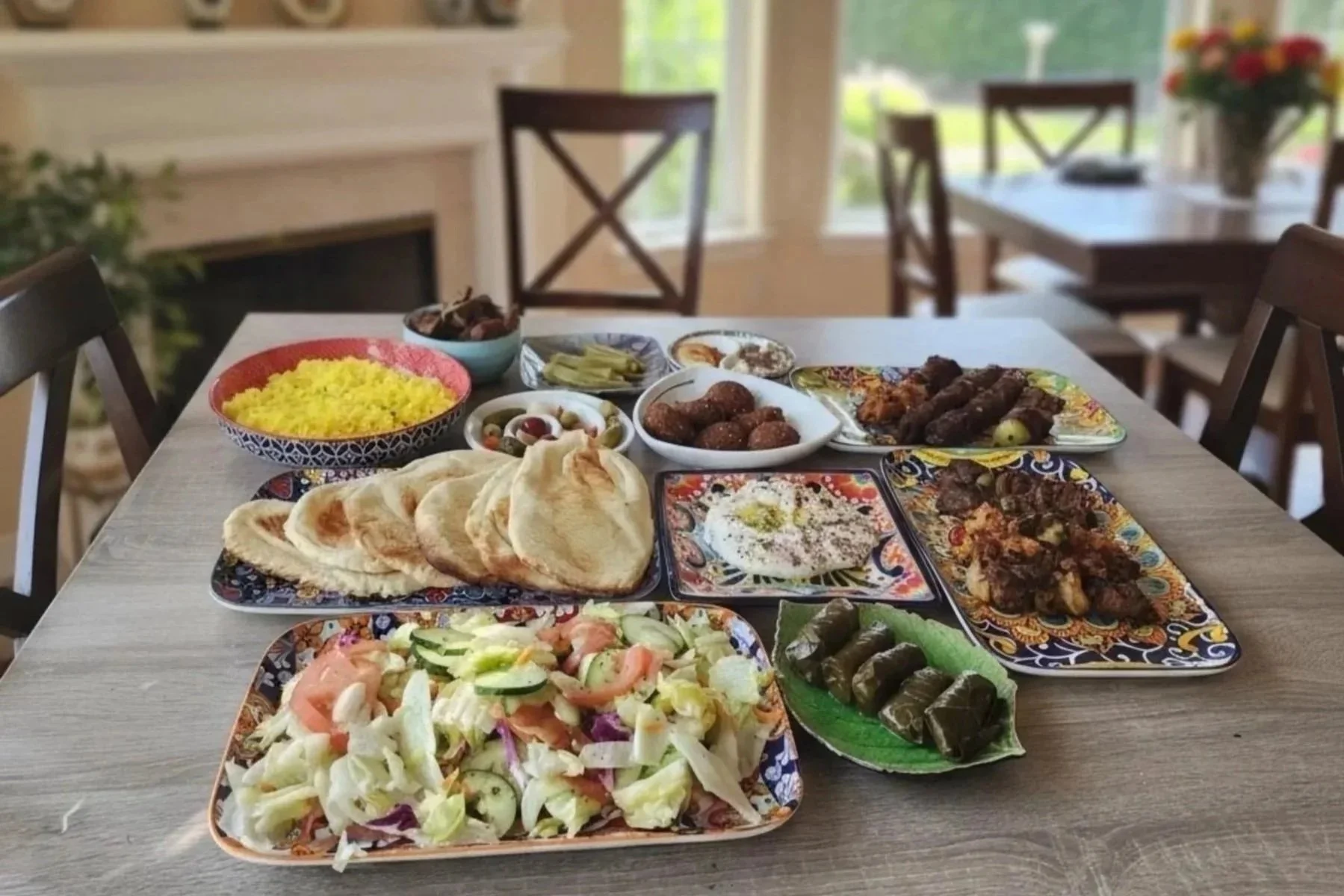
Cookbook enthusiast and ckbk user Amanda Carroll extols the virtues of this lemon and garlic sauce from the Middle East
Advertisement