
Advertisement
15 Top Technical Tips for Baking a Cake
19 March 2026 · Education
Pastry chef Luciana Corrêa has scoured ckbk’s collection of baking titles for top tips from experienced bakers to help you reliably achieve the best results with your cakes. Read below for her 15 key tips for cake making, and watch out for more culinary tips in future articles in this series.
Many people ask me for tips on how to make the perfect cake or dessert. Others share their difficulties when it comes to baking a good one. Most of them are not in the habit of cooking, but they want to surprise their guests with something original, beautiful and delicious. Even with the recipe in the app, and the right utensils and ingredients, maybe things can still go wrong. That’s where these tips come in - to bridge the gap between who is cooking, what to do, and making sure everything turns out right.
With ckbk, we have the opportunity to discover a wide variety of recipes to prepare for our guests and have tips and extra information from the authors. Also there’s a very interesting feature in ckbk: we can post photos of the dishes we’ve made, leave comments, share questions, or even note changes we’ve made to a recipe. The platform also serves as a space where users - or, dare I say, ckbk lovers - can exchange tips with one another and even connect directly with the recipe authors themselves.
After more than 20 years working in pastry and cake making—through many mistakes and successes—I have gathered some basic, yet extremely important tips. The idea is to start a conversation around these tips: my own tips, those from our wonderful ckbk authors, and, of course, yours, because you undoubtedly have tips of your own to share.
The first thing to understand is that baking requires technique, attention to detail, and respect for processes. Talking about confectionery, small details make a huge difference in the final result.
Below are 15 essential tips for anyone who wants well-executed, light, and flavorful cakes and desserts.
Getting Ready to Bake: Attire, Organization, and Ingredients
Let’s start from the beginning: always work wearing an apron, chef jacket or appropriate clothing, hair covering, gloves, and closed, non-slip shoes. Beyond hygiene, proper attire ensures safety and professionalism in the kitchen.
It’s not just about being prepared to cook - make sure the kitchen is clean and organized, the utensils are sanitized, and the appliances are working properly.
Once you’re ready and the kitchen is in order, make sure all the ingredients are separated, within their expiration dates, and in sufficient quantities. Measure and prepare all ingredients before starting (mise en place), this prevents mistakes, speeds up the process, and makes baking smoother and more enjoyable.
Who hasn’t started making a cake only to realize at the very last minute that there were no eggs? By the way - always—use fresh, high-quality ingredients, preferably sourced from local producers or suppliers. Store them in proper, sealed containers and in a safe environment. Never use the same spoon to scoop different ingredients.
2. Baking powder test
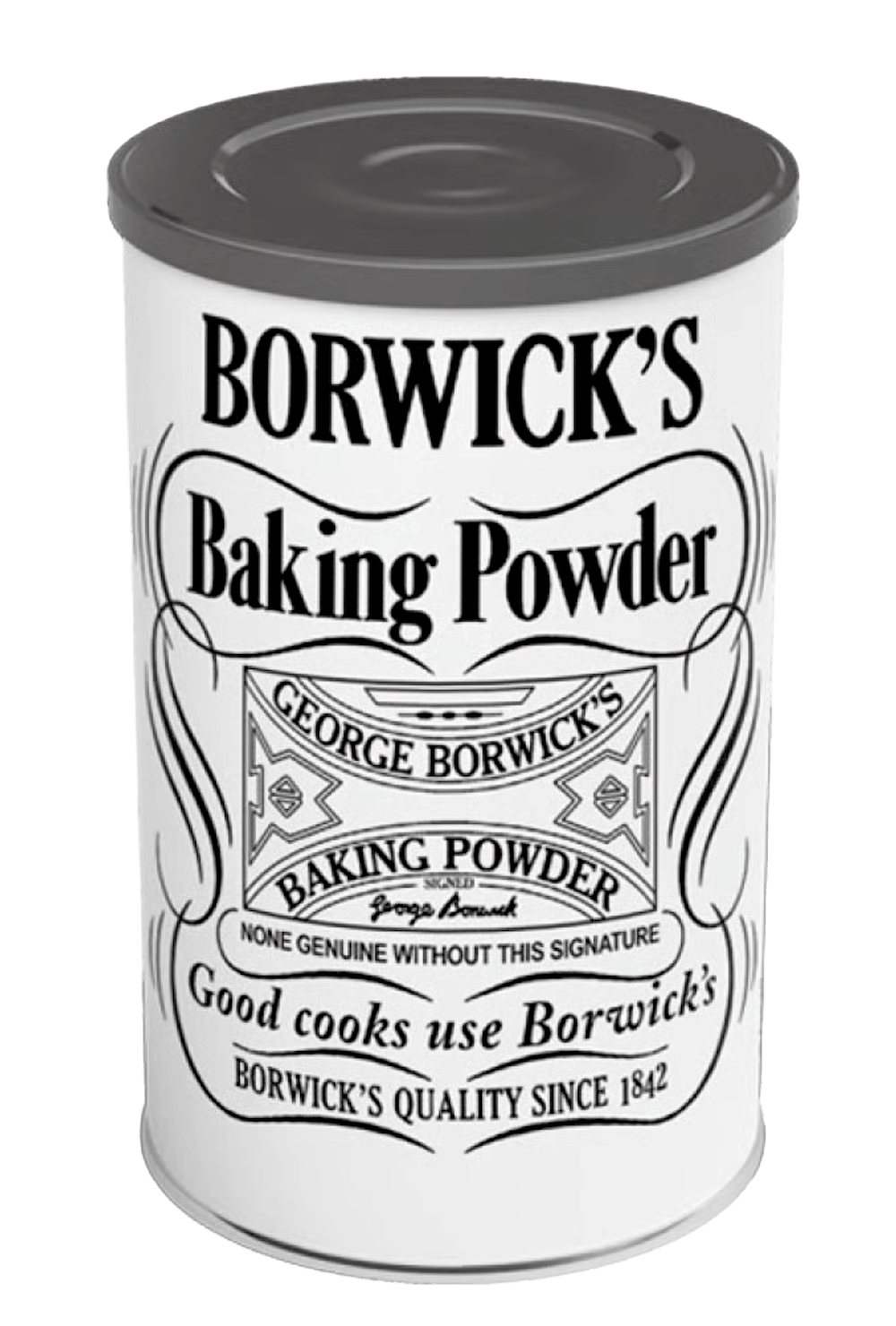
Before using baking powder, make sure it is within its expiration date. Even if it’s still valid, the baking powder may not be working properly due to how it has been stored. Therefore, here’s an excellent tip to help you test it: place some water in a bowl and add one teaspoon of baking powder. It should bubble immediately. The baking powder bubbles because, when it comes into contact with water, its components react and release carbon dioxide, which indicates that it is still active.
This baking powder should be added to the cake batter last, as it will react to the heat of the oven.
3. Properly greasing cake pans
Almost everyone has experienced the frustration of removing a cake from the pan and finding that part of it is stuck. It’s a common baking headache.
Use a non-stick baking spray whenever possible. Apply a first layer and spread it evenly with a brush. For smooth pans, place parchment paper on the bottom and apply a second light layer of spray. For textured pans, where parchment paper is not used, apply only the second layer of spray, making sure the entire surface is well coated.
Avoid excess grease, as it may interfere with the baking process.
Meanwhile, if you’d like some inspiration when it comes to selecting a cake pan, see Jill Dupleix’s feature about her cake tin obsession.
4. Preheating the oven correctly
Turn the oven on at least 15 minutes in advance. For cakes, the standard temperature is 180°C / 350°F in a conventional oven (or 160°C/320°F) in a fan-assisted oven).
One thing I always do when baking layer cakes is divide the batter between pans. I avoid baking the entire batter in just one pan, except for Bundt cakes, which are meant to be baked in a single mold.
As a result, my cakes usually spend only about 30 minutes in the oven. A well-baked cake is one that bakes within this timeframe - long enough to cook through, but not so long that it dries out.
5. Sifting ingredients
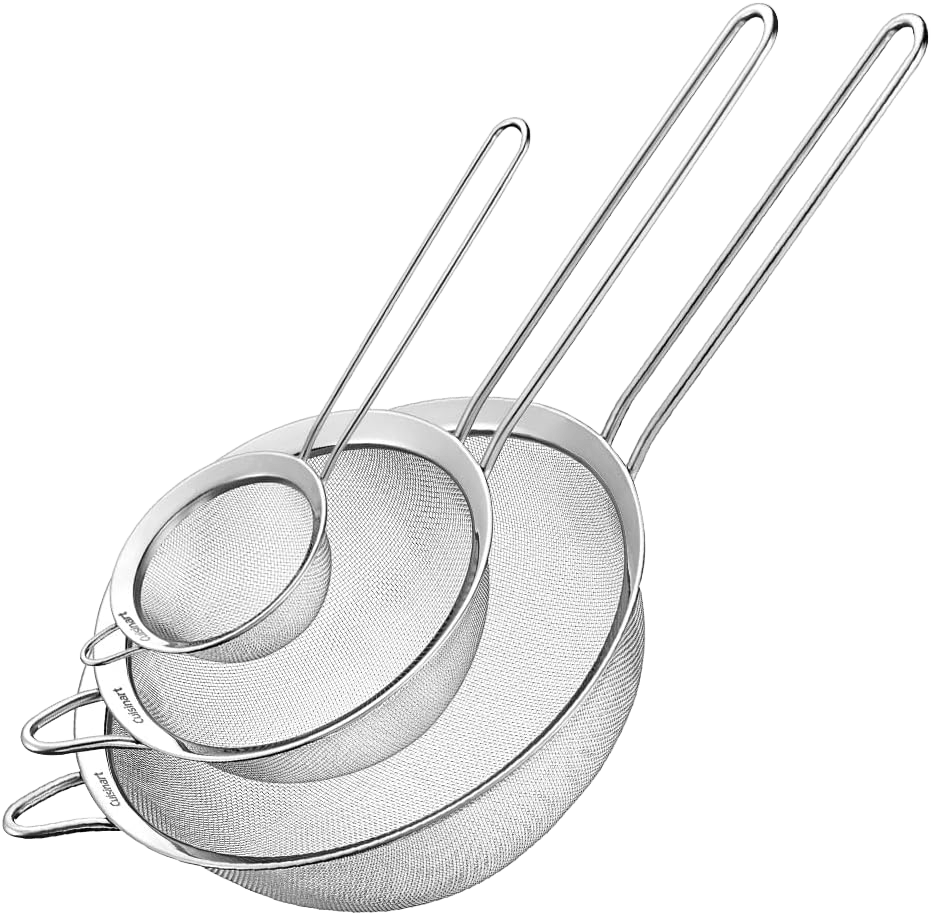
Flour must be sifted to remove lumps and incorporate air, resulting in a lighter, more even cake. Egg yolks should always be sifted, too, to remove the yolk membrane and prevent any traces of eggshell from ending up in the mixture. Use fresh eggs, from reliable suppliers, and always at room temperature as this helps to create a smoother and better aerated batter.
Other ingredients, such as cocoa powder and brown sugar, should also be sifted to break up lumps and make measuring easier, especially in recipes that use volume measurements in cups, rather than weight (though don’t forget that ckbk lets you convert any cups only recipe to metric, if you prefer)
6. Follow the quantities specified by the recipe precisely
Baking recipes are exact. Do not change individual measurements. If you need to make adjustments, adapt the entire recipe proportionally. In most recipes, the proportions between dry and wet ingredients are carefully balanced to produce a satisfying result. Keep this in mind when making any adjustments.
The Oxford Companion to Sugar and Sweets, edited by Darra Goldstein, includes an extensive entry on the history of culinary measurements.
Important: when increasing quantities, remember that your mixer has a maximum capacity to work properly.
7. Cooling the cake properly
Once baked, let the cake cool slightly, then remove it from the pan and allow it to cool completely. After that, wrap it in plastic wrap and refrigerate. Once chilled, the cake will slice more easily– see La Varenne culinary school founder Anne Willan’s guidance on the optimal technique for slicing cakes. Cooling the cake properly is also vital for successful filling and assembly (see below).
8. Fillings and frostings must be cold
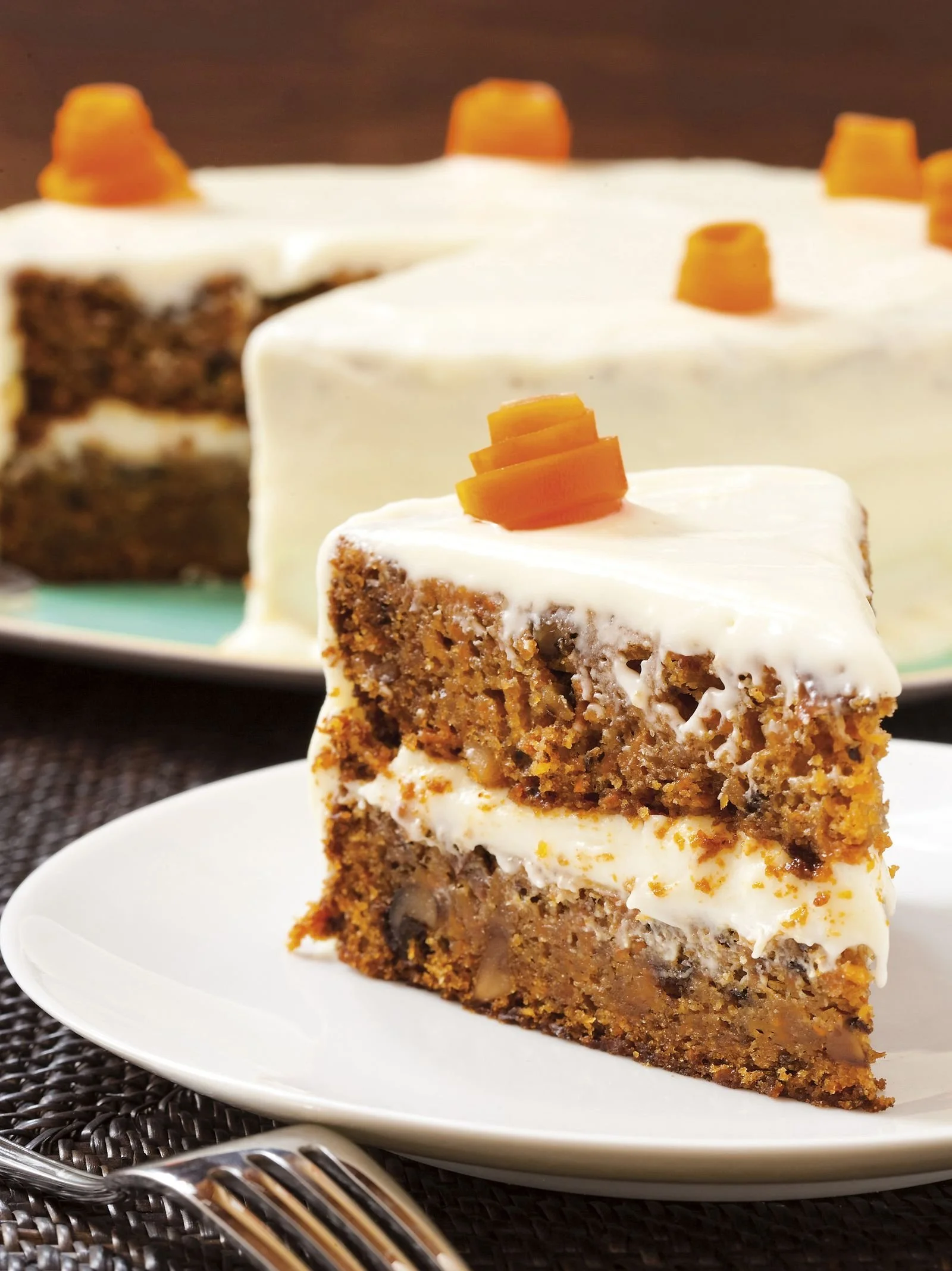
The fillings should be completely cold before assembling the cake, which must also be cold. This ensures better structure and stability during assembly [Having experienced several cake icing disasters due to a warm cake melting the icing, I can vouch for this! Ed.]
After filling, the cake should be wrapped in cellophane or held in a cake ring and refrigerated for a minimum of six hours. This step helps the cake become well structured, keeps the layers firmly together, and allows the flavors to develop and integrate.
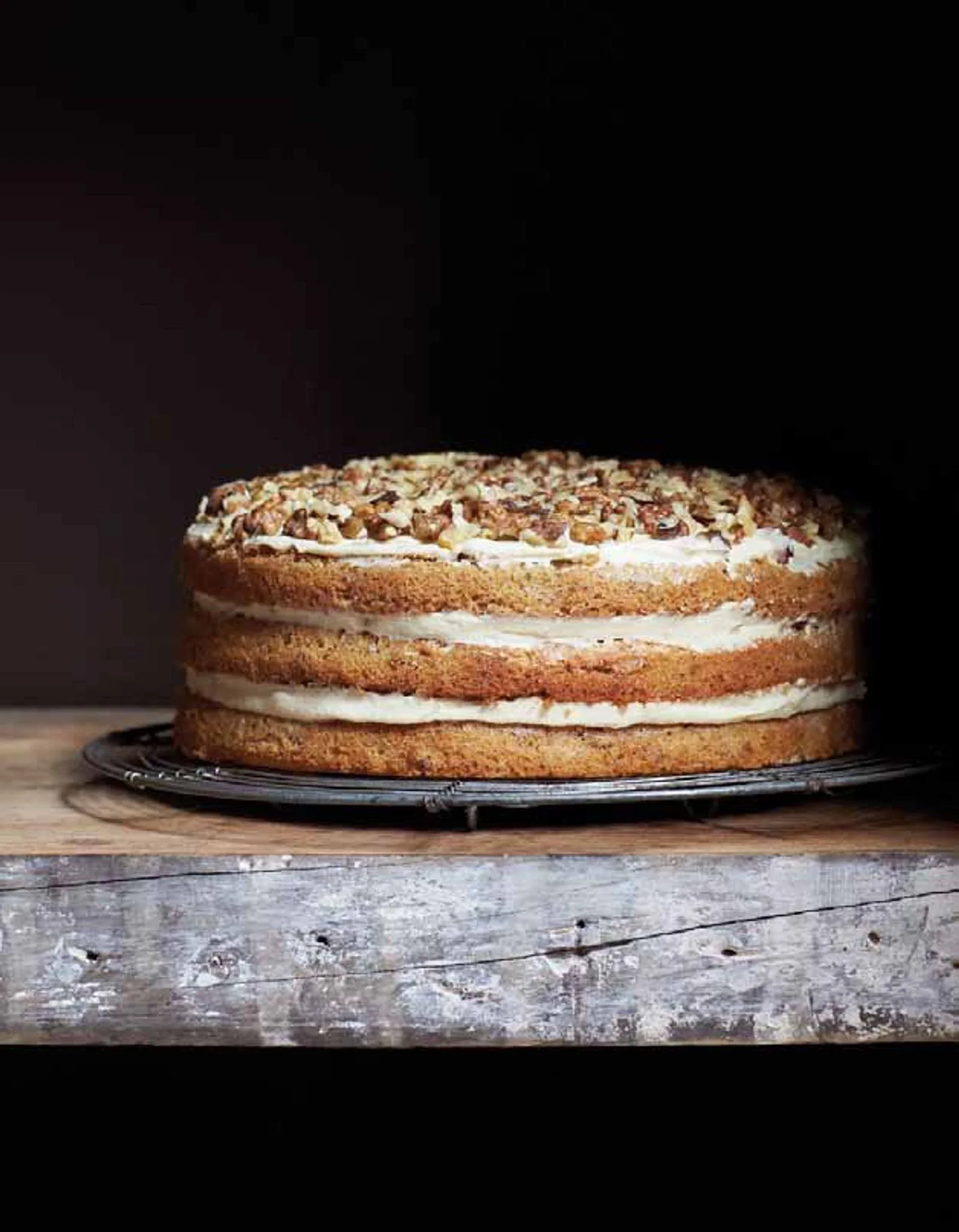
For additional guidance see James Peterson’s book Baking which has detailed step-by-step instructions on to how to assemble a Layer Cake with Two Fillings.
9. Using syrup wisely
Syrup may be used warm, but ideally it should be cold. A basic cake syrup recipe includes: 1 cup boiling water, 2 tablespoons granulated sugar and a few drops of vanilla extract.
Fiona Cairns suggests another version of syrup in her Marmalade Syrup Cake.
Avoid soaking the cake too much. The texture of the cake should contrast with the texture of the filling; excessive syrup eliminates this distinction.
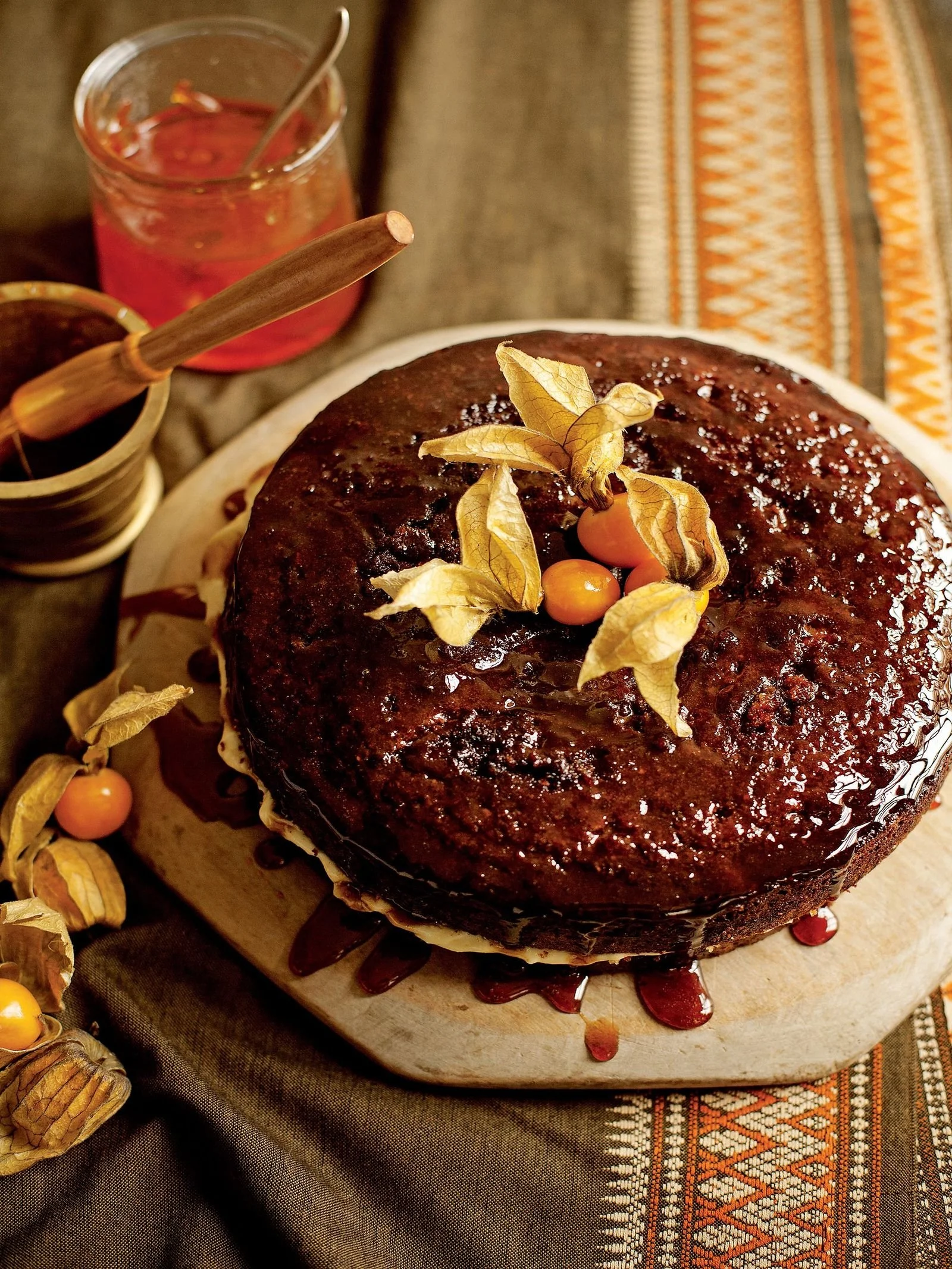
Marmalade Syrup Cake from The Birthday Cake Book by Fiona Cairns
10. Avoid opening the oven too early
Do not open the oven until at least 25 minutes of baking. Sudden temperature changes can compromise the cake’s rise.
Pay attention to the aromas that begin to fill the kitchen. With time and experience, you’ll notice that the cake “calls” to you when it’s ready, through its aroma. Always keep a cake tester close at hand to check whether the cake is done. In Nigella Lawson favorite Bad Girl Bakery, Scottish baker Jeni Iannetta, recommends a barbecue skewer as a good option.
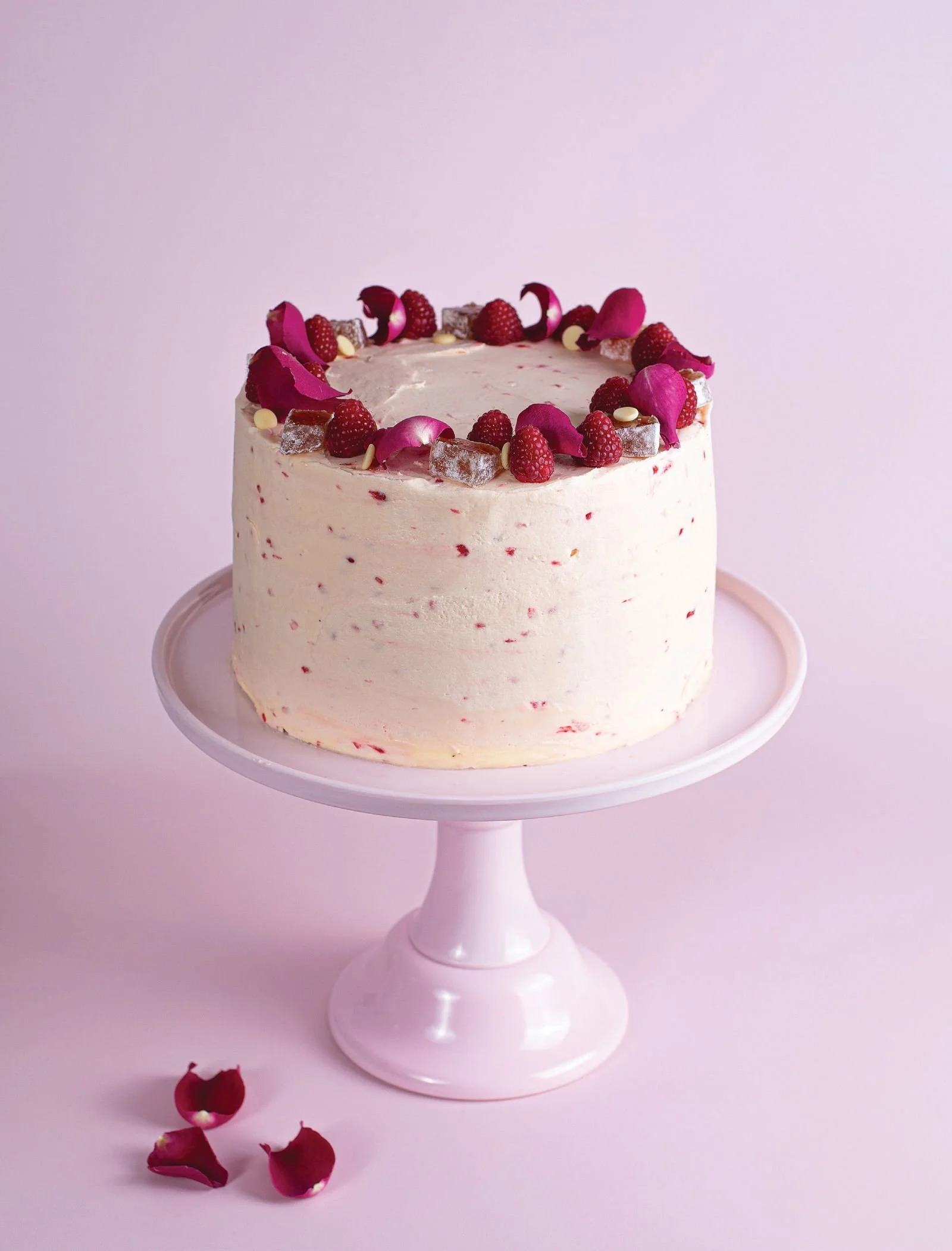
11. Mix gently
After adding flour or baking powder, mix gently—preferably with a spatula or whisk—to preserve the structure of the batter. Avoid overmixing, as it can activate the gluten and affect the texture of your batter.
When adding the flour to the eggs for a sponge cake, be mindful to preserve the mixture’s lightness. Use a spatula and fold gently, lifting from the bottom to the top.
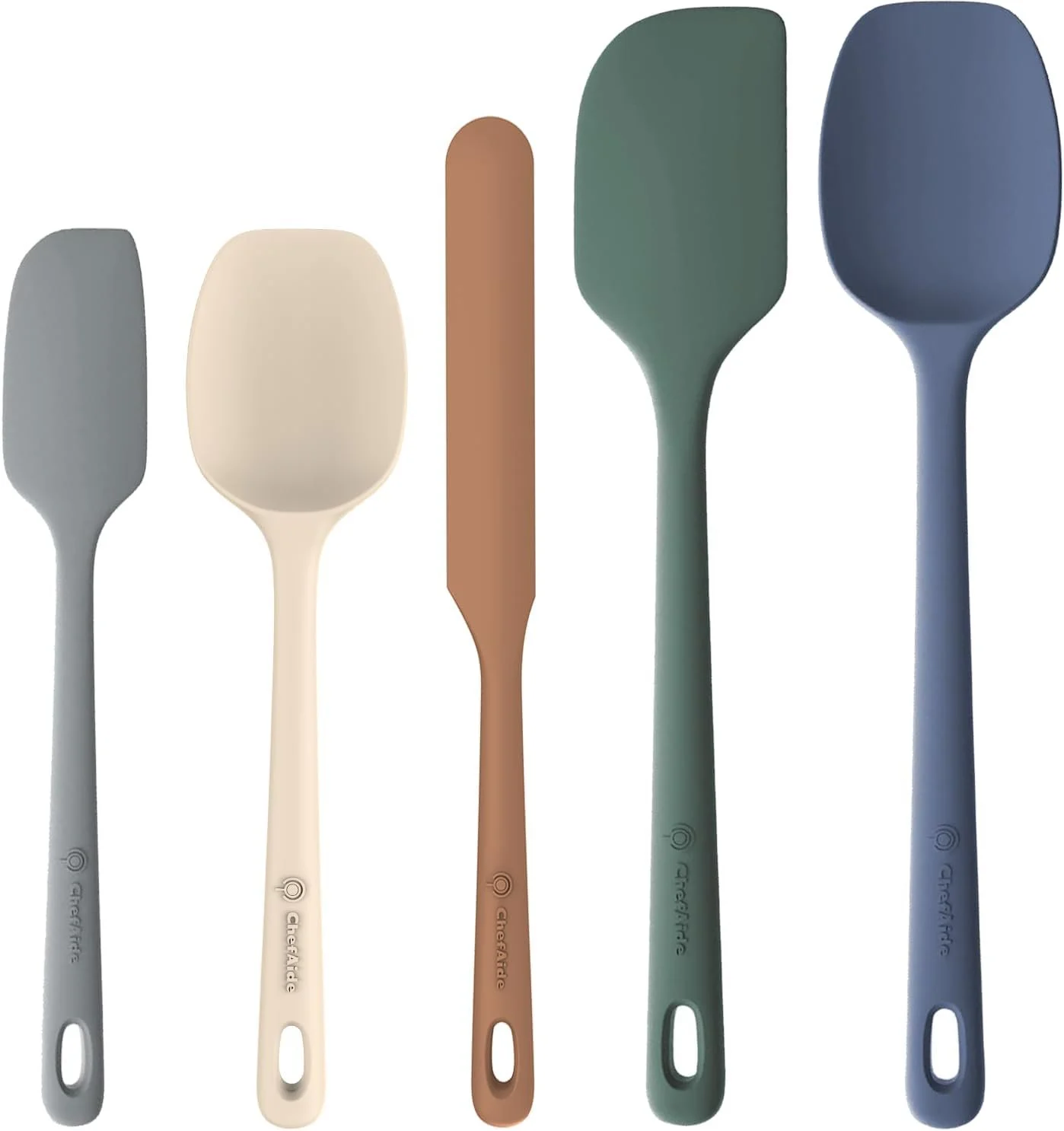
Spatulas like these are idea for folding a cake mix gently
12. Working with Fruit in Cakes and Desserts
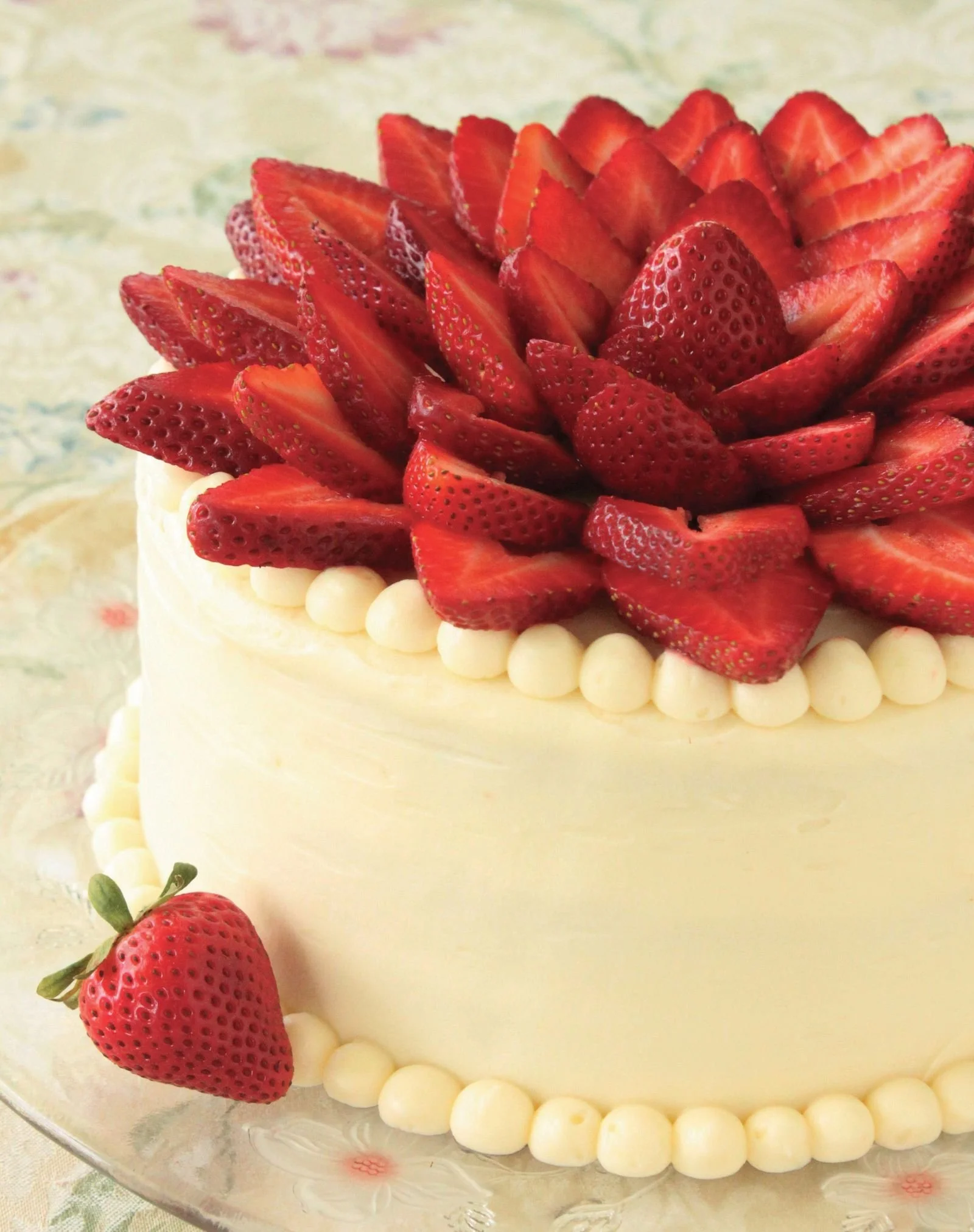
Fruits are used in many cakes and desserts, bringing flavor, freshness, acidity, and visual appeal to each preparation. When using fresh fruit, it’s best to assemble the dessert on the same day it will be served or delivered. This ensures the fruit remains vibrant, fresh, and beautiful like in this gorgeous Strawberry cake from Lick the Bowl Good by Monica Holland.
Fruit can be used in many other ways across a wide range of preparations - all of which you can explore on ckbk. From jams, curds, and syrups to chocolate-covered fruits, grape brigadeiros, fillings, toppings, and even folded directly into cake batters, fruit offers endless creative possibilities.
13. Crunch and Color
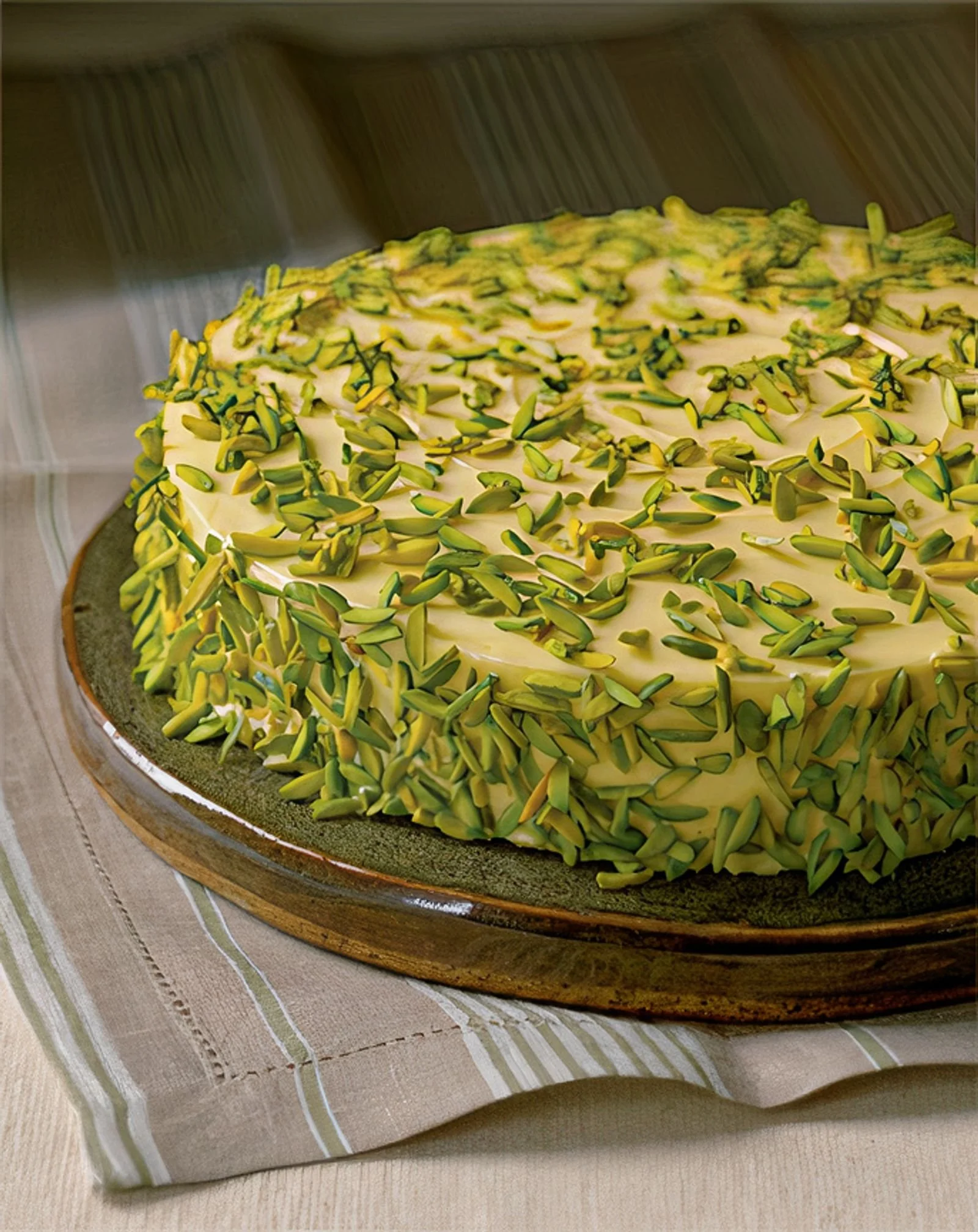
I often use nuts as decoration—as author James Peterson suggests here—then rather than incorporating them into the batter or filling. I like to gently warm them until they become lightly toasted and crisp and then after cooling completely, they’re added as decoration, ensuring a pleasant crunch and better texture.
For pistachio fillings or frostings, I do also add a few drops of green food coloring. The visual appeal matters too, and enhancing the natural color helps highlight the flavor and elevate the final presentation.
14. Planning Ahead: Timing, Preparation, and Peace of Mind
Start certain preparations ahead of time—the cake batter, the filling, the frosting, and the decorations. Once everything is ready, there is still the assembly, at which point the cake is ready to serve at home, or at a special event, or perhaps to deliver to a client!
Allow yourself enough time so the final product reaches its destination calmly and in perfect condition. Building in extra time also gives you room to handle the unexpected, because baking involves many steps, and not all of them go exactly as planned. Planning ahead, allowing time, and staying calm make all the difference.
15. Behind the Perfect Cake: your support network
Behind every great cake is more than skill—it’s also about the people and products you rely on. Building a strong support network of suppliers, instructors, and other contacts gives you access to quality ingredients and tools essential to achieving consistent, high-quality results.
Whether you are already a professional, training to become one, studying gastronomy, or just cooking for your own pleasure, finding the right suppliers helps make perfect cakes possible. Many of the books on ckbk’s baking bookshelf include a list of recommended suppliers at the back—be sure to make the most of these lists!
I hope these tips have inspired you. Don’t forget to explore the wealth of advice shared by ckbk’s many authors, and so share your own experiences, tips and ideas in the Review and Q&A section of each recipe on ckbk!
More ckbk features
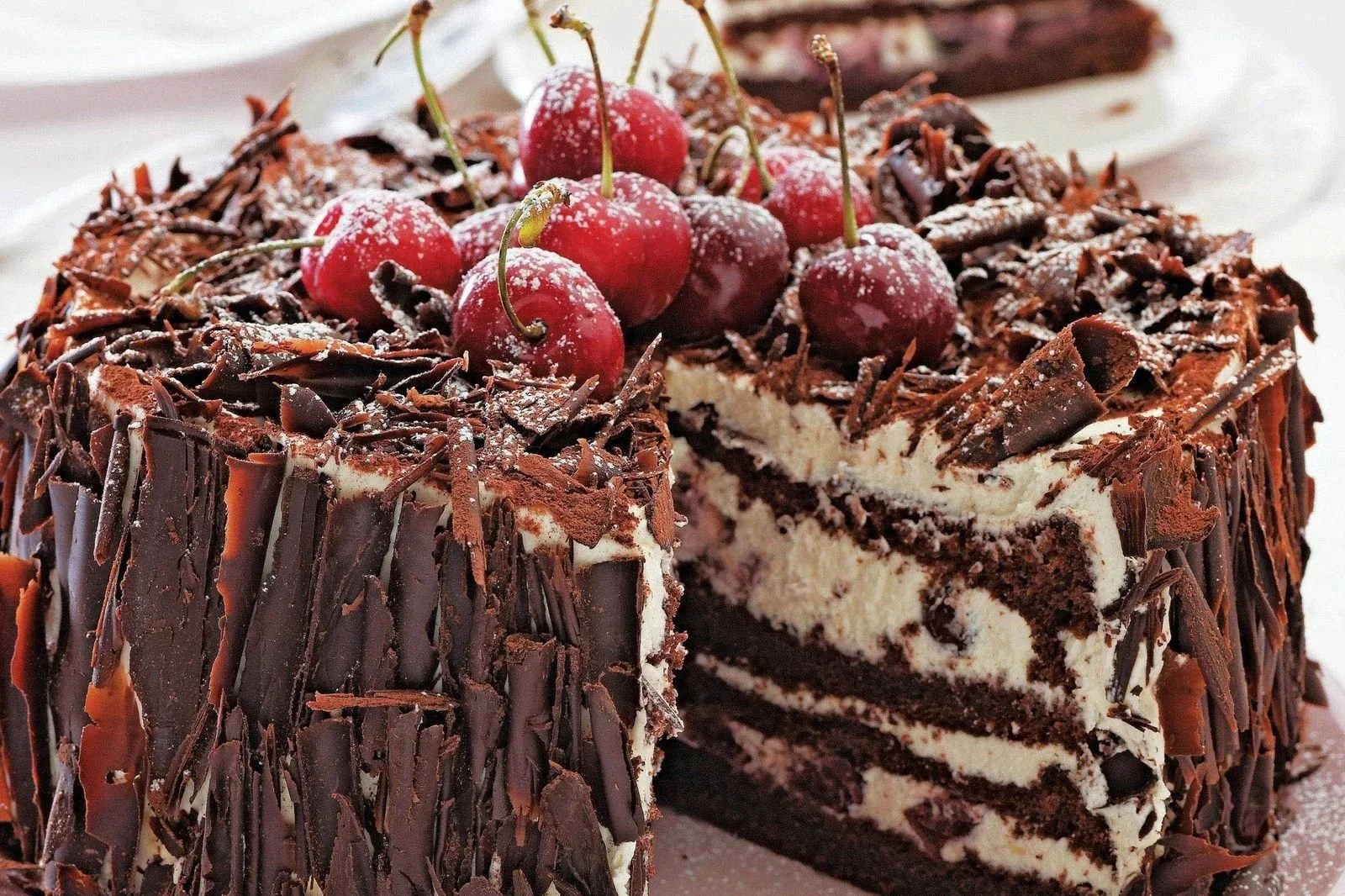
Let pastry chef Luciana Corrêa be your guide to the wonderful world of cake

Charlie Cart founder Carolyn Federman on how to help kids develop fundamental cooking skills

ckbk speaks to Jennifer Mclagan, author of Odd Bits, about her award-winning cookbooks on quirky topics
Advertisement